Last updated November 22, 2026
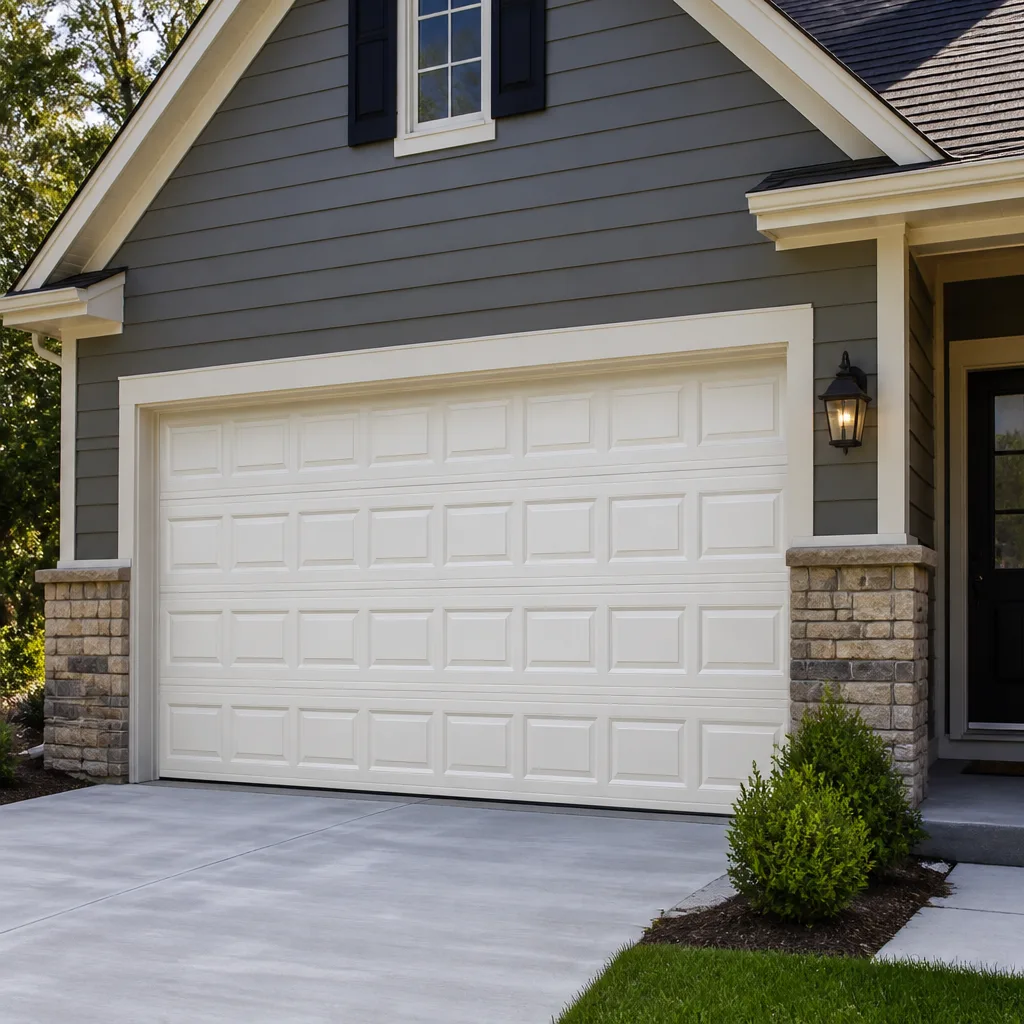 Raised-panel steel
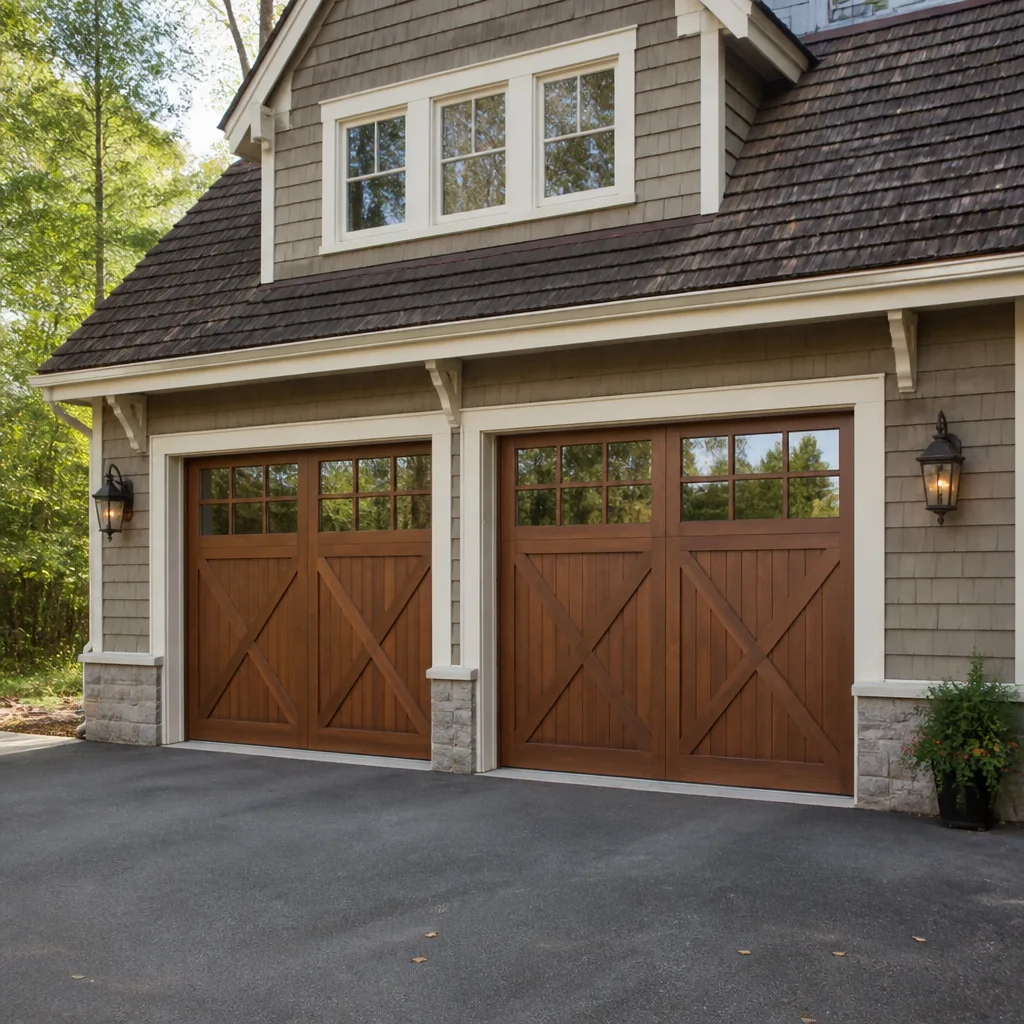 Carriage house
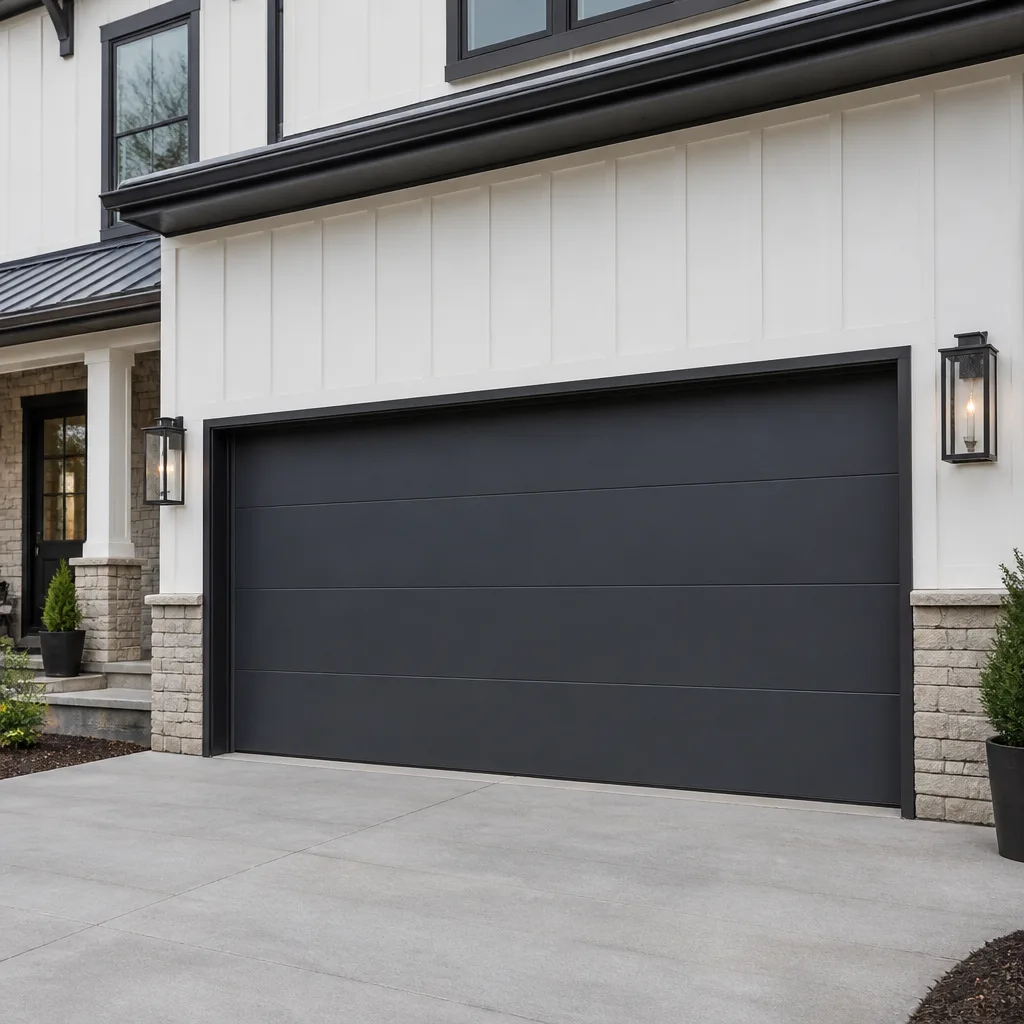 Modern flush
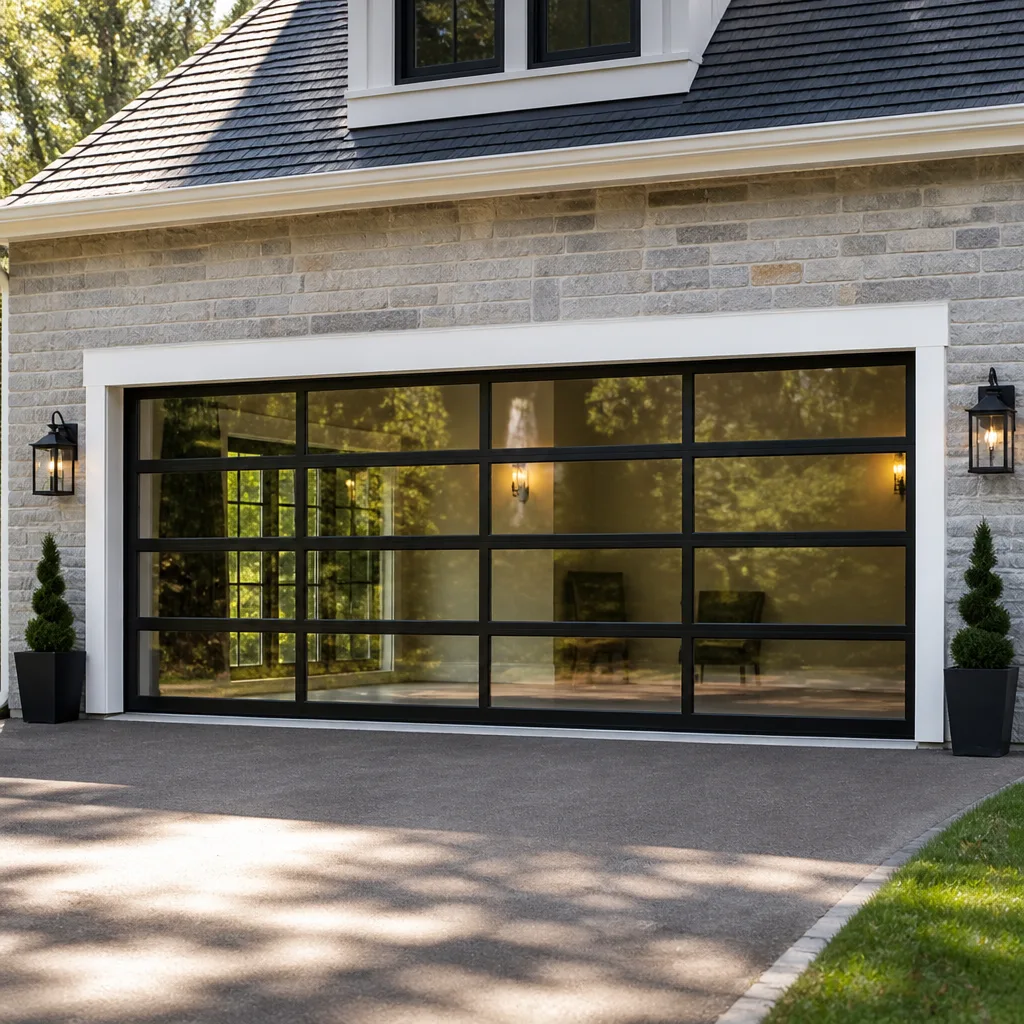 Full-view glass
 LiftMaster openers
 Chamberlain openers
Full 25-point door and opener safety check with every visit - springs, cables, rollers, tracks, and your LiftMaster or Chamberlain opener included
You get a price before we start. It does not change when the pro arrives.
Get your free estimateSeasonal Garage Door Care for Hagerstown: Year-Round Homeowner’s Guide
Most homeowners here assume winter is the season that breaks a garage door. In our experience, it’s spring. The freeze-thaw cycle that runs through February and March works a torsion spring harder than any single cold snap, and the crack tends to happen in April, on a mild morning, when you’ve stopped thinking about the door entirely. Hagerstown sits in a part of Maryland where all four seasons land with real force, and each one stresses a different part of your door and opener. This guide maps what fails when, why it fails, and what to check before it happens, so you’re the one scheduling the repair instead of the one calling it in.
Quick Answer
Garage doors in Hagerstown fail on a seasonal rhythm, not a random one. Springs are most likely to break in spring after the freeze-thaw stress of late winter, wooden sections and bottom seals suffer through summer humidity, opener force settings and weatherstripping need attention in October before the cold sets in, and a door can freeze to the floor in January if you don’t clear the seal line. A short inspection at each seasonal change catches most of these before they turn into a no-move door and an emergency call.
Styles & brands we work with
- Raised-panel steel
- Carriage house
- Modern flush
- Full-view glass
- LiftMaster openers
- Chamberlain openers
Table of Contents
- Spring: The Highest-Risk Season for Torsion Springs
- Summer: How Humidity Works on Wood, Seals, and Opener Boards
- Fall: The October Pre-Winter Prep List
- Winter: What to Do When the Door Freezes to the Floor
- Reading Your Door’s Cycle Count Against the Seasons
- The Four-Season Inspection Checklist
- Repair or Replace? How to Decide
Spring: The Highest-Risk Season for Torsion Springs
Spring is when garage doors break most often in Hagerstown, and it isn’t close. A torsion spring carries the door’s full weight every time it opens and closes, and it does that work under constant tension. Through December and January the steel contracts in the cold. Through February and March it expands and contracts with every warm afternoon and cold night, hundreds of small cycles that wear the metal without you noticing anything. By April the spring has been through its hardest stretch of the year, and that’s when the fracture shows up.
What makes this dangerous is how quietly it builds. A spring near failure usually gives you a few signs, and none of them look dramatic:
- The door feels heavier than usual when you lift it by hand with the opener disconnected
- You hear a single loud bang from the garage, often described as sounding like a gunshot or a car backfiring
- The door opens a foot and stops, or won’t lift at all, and the opener motor runs but the door doesn’t move
- A visible gap or stretch in the spring coil itself, or a spring that has clearly separated
If you see any of those, stop using the door. A broken torsion spring means the door’s weight is no longer counterbalanced, and running the opener against it strains the motor and the cables. This is exactly the repair we handle as a dedicated service because it’s high-tension work that many general handymen won’t touch. Our garage door spring repair covers both torsion and extension setups, and we’ll tell you whether you’re looking at one spring or a matched pair that should be replaced together.
Before spring arrives, do a visual pass: look at both springs above the door, check for gaps or rust streaks, and test the door’s balance by hand with the opener disengaged. If it doesn’t hold roughly halfway open on its own, the springs are working harder than they should. That check takes two minutes and it’s the single best predictor of a spring failure in Hagerstown.
Summer: How Humidity Works on Wood, Seals, and Opener Boards
Hagerstown summers bring humidity that does slow, persistent damage to a garage door, and it hits three places hardest. If your door has wooden sections, the wood absorbs moisture through the summer and swells. Panels that fit cleanly in April can bind against each other by July, and the door starts to drag or rub as it travels. Paint and stain slow that down, but they don’t stop it, which is why wooden doors in this climate need a finish refresh more often than the manufacturer’s schedule suggests.
The bottom seal is the second weak point. That rubber strip along the floor is glued or slid into a channel, and heat plus humidity softens the adhesive. A seal that starts peeling at one corner lets water and pests under the door, and once it’s loose it tends to tear when the door cycles. Run your hand along the seal in June and July and look for gaps, hardened rubber, or sections pulling away. A seal is cheap to replace and easy to overlook.
Third is the opener itself, specifically the circuit board. Garage openers live in an unconditioned space, and a Hagerstown garage in August can be significantly hotter and more humid than the house. Boards and logic components are the parts most sensitive to that. If your LiftMaster or Chamberlain opener starts behaving oddly in summer, opening partway, losing its travel limits, or blinking a diagnostic code, heat and moisture on the board are worth suspecting before you assume the motor is gone. Modern openers from these brands often store a fault code in their logic, and reading it saves a guess. Our garage door opener repair covers the full range of smart, belt-drive, chain-drive, and wall-mount units, so we can usually diagnose the board versus the motor on the first visit.
Fall: The October Pre-Winter Prep List
October is the month that decides how your door handles winter in Hagerstown. The prep list is short, and doing it before the first hard freeze prevents most of the cold-season problems homeowners call about in January. Here’s the order we work through:
- Inspect and replace weatherstripping. Check the seal along both sides and the top of the door, plus the bottom seal. Cracked or flattened rubber lets cold air and moisture in, and moisture at the floor line is what freezes a door shut. Replace any section that’s hardened or torn.
- Lubricate the moving parts. Apply a garage-door-rated lubricant to the hinges, rollers, and the spring (for torsion springs, a proper spring lubricant, not grease). Don’t use WD-40 as a lubricant; it’s a solvent, and it strips the protection rather than adding it. Clean the tracks and leave them dry.
- Check the opener’s force settings. The opener has force adjustments that tell it how hard to push. Cold makes the door and its hardware stiffer, so a setting tuned in summer can be borderline in January. Test the door’s balance first, then confirm the opener reverses properly when it meets an obstruction.
- Test the safety reverse. Put a piece of wood or a roll of paper towels under the door and close it. The door should reverse on contact. This is the safety system working, and it’s the single most important check before winter.
- Clear the floor line. Sweep the concrete where the door meets the floor and check the seal’s contact. A clean, flat contact point is what keeps the door from bonding to ice.
Do these in October in Hagerstown and you’ve handled the cold-season risks most homeowners don’t think about until the door stops moving. A Craftsman or Raynor door that’s been tuned this way will cycle more smoothly all winter than one that wasn’t.
Winter: What to Do When the Door Freezes to the Floor
When a garage door freezes to the floor in Hagerstown, the right move is to free the seal without forcing the door. The wrong move is to hit the opener button and hope. Forcing a frozen door puts the full load on the opener’s motor and gears, and that’s how a $150 repair turns into a motor replacement. The door can also shear a hinge or damage a panel when it finally breaks loose.
The safe sequence is straightforward:
- Disengage the opener by pulling the manual release cord so the door is disconnected from the motor.
- Look along the bottom seal for the ice bond. A frozen door usually sticks at the floor line, not the tracks.
- Loosen the bond with warm (not boiling) water along the seal, or a de-icer safe for rubber. Don’t pour hot water on cold glass or on the door’s finish; thermal shock can crack glass and damage paint.
- Once the seal is free, lift the door gently by hand to confirm it moves without binding, then re-engage the opener.
If the door still won’t lift by hand after the seal is free, the problem isn’t ice; it’s a spring or a track issue, and it needs a technician. And once you’ve cleared a freeze, look at why it happened: a worn bottom seal, poor drainage at the threshold, or a door that doesn’t close flush. Fixing the seal in fall is the prevention. Winter is for recovery.
Reading Your Door’s Cycle Count Against the Seasons
Every time your door opens and closes, that’s one cycle, and the parts inside your door have a finite number of them. Most homeowners never think about cycle count until something breaks, but it’s the most useful number you have for predicting when a component is due. A typical spring is rated for a specific cycle life, and a household that opens the door four times a day is putting a very different load on it than one that opens it twice.
The seasonal piece is this: cycle count doesn’t account for stress, and Hagerstown’s seasons add stress on top of the raw count. A spring that’s two-thirds through its rated cycles in a mild climate might be at the end of its life here after a hard freeze-thaw winter, because those temperature swings fatigue the metal beyond the simple open-and-close math. Here’s how to think about it:
- Count your daily cycles. Every family member leaving and returning, every errand, every time you open the door to grab something. Multiply by 365 for a rough annual figure.
- Weigh the seasons. If your door has been through several full Hagerstown winters, it’s accumulated more stress than the cycle count alone suggests. Treat a spring past roughly two-thirds of its rated life as a candidate for replacement before it fails.
- Watch for the warning signs regardless of count. A door that’s getting harder to lift, springs that look stretched or rusty, or an opener that strains in cold weather all point to worn components even if you’re under the rated cycle count.
Our technicians have up to 15 years of experience reading exactly this: how a door’s age, its cycle count, and its local wear pattern combine to tell you what’s due. We work on the brands you already have, including LiftMaster, Chamberlain, Genie, Clopay, Amarr, Wayne Dalton, Craftsman, and Raynor, so we can match the recommendation to the actual equipment on your door.
The Four-Season Inspection Checklist
Here’s the full-year version in one place. Try to run each pass around the start of the season, and note anything that’s changed since the last one. Small changes caught early are what keep a seasonal repair from becoming an emergency.
- Spring (March/April). Check both springs for gaps, rust, and stretch. Test the door’s balance by hand with the opener disengaged. Listen for new noises on the first few cycles after winter.
- Summer (June/July). Run your hand along the bottom seal for gaps or peeling. Look at wooden panel edges for swelling or binding. Note any opener oddities, especially blinking codes or partial travel.
- Fall (October). Replace worn weatherstripping and bottom seal. Lubricate hinges, rollers, and springs. Confirm the opener’s force settings and test the safety reverse. Clear the floor line.
- Winter (December/January). Keep the floor line clear of ice and snow. Don’t force a frozen door; disengage and free the seal. Watch for springs that feel heavy in the cold and schedule a check if the door gets harder to lift.
Two of these passes take ten minutes. The full fall pass takes an afternoon. All of them together cost far less than a mid-winter emergency call on a door that’s stuck open in a Hagerstown snowstorm. For a deeper look at how a typical repair goes, our garage door repair page covers what to expect on a service call.
Repair or Replace? How to Decide
Homeowners ask us this constantly, and the honest answer is that it depends on what’s failing. A single worn spring, a dead opener, or a bad bottom seal on an otherwise sound door is a repair. A door with multiple failing sections, a bent track, and a motor on its last legs often costs more to fix than to replace, especially when you add up the parts. We’ll tell you which one actually makes sense before you commit to anything.
The seasonal angle matters here too. A door that’s been through a couple of hard Hagerstown winters and is showing spring fatigue plus seal wear plus opener strain is telling you it’s near the end of its useful life as a unit. Replacing it means you get a new cycle count on the springs, modern opener logic, and a sealed system that handles the next round of seasons better than the old one did. On the other hand, a door that’s structurally sound gets another decade of service from a spring replacement and a tune-up. The decision is about the whole door, not the loudest part that broke.
Some doors simply need the right person. If you’re weighing a repair against a full garage door repair Hagerstown evaluation, the first step is a look at the door’s actual condition, not a guess from the driveway.
Common Mistakes to Avoid
- Forcing a frozen door. Hitting the opener on a door that’s frozen to the floor in a Hagerstown winter is the fastest way to burn out the motor and strip the gears. Disengage and free the seal instead.
- Ignoring a spring that’s already broken. Running the opener on a door with a broken torsion spring strains the motor and can drop the door. Stop using it and get it looked at.
- Using the wrong lubricant. WD-40 on hinges and rollers strips protection rather than adding it, and grease on a torsion spring attracts grit. Use a garage-door-rated lubricant and keep the tracks dry.
- Skipping the October prep because the door “seems fine.” The fall pass is what prevents the January freeze problem. A door that works fine in September can bind after the first hard freeze if the seal and weatherstripping weren’t checked.
- Assuming a slow door in winter means a failing opener. Cold stiffens hardware. Before you replace a motor, check the door’s balance by hand and confirm the force settings. The opener may be fine.
- Letting summer humidity work on a wooden door unchecked. Swelling and binding start small. Catching it in June means a sanding and a finish refresh; catching it in October may mean a panel.
- Treating cycle count as the only number that matters. A door in Hagerstown accumulates seasonal stress on top of its cycles. Watch the springs and the door’s feel, not just the arithmetic.
See the difference
 Before
 After
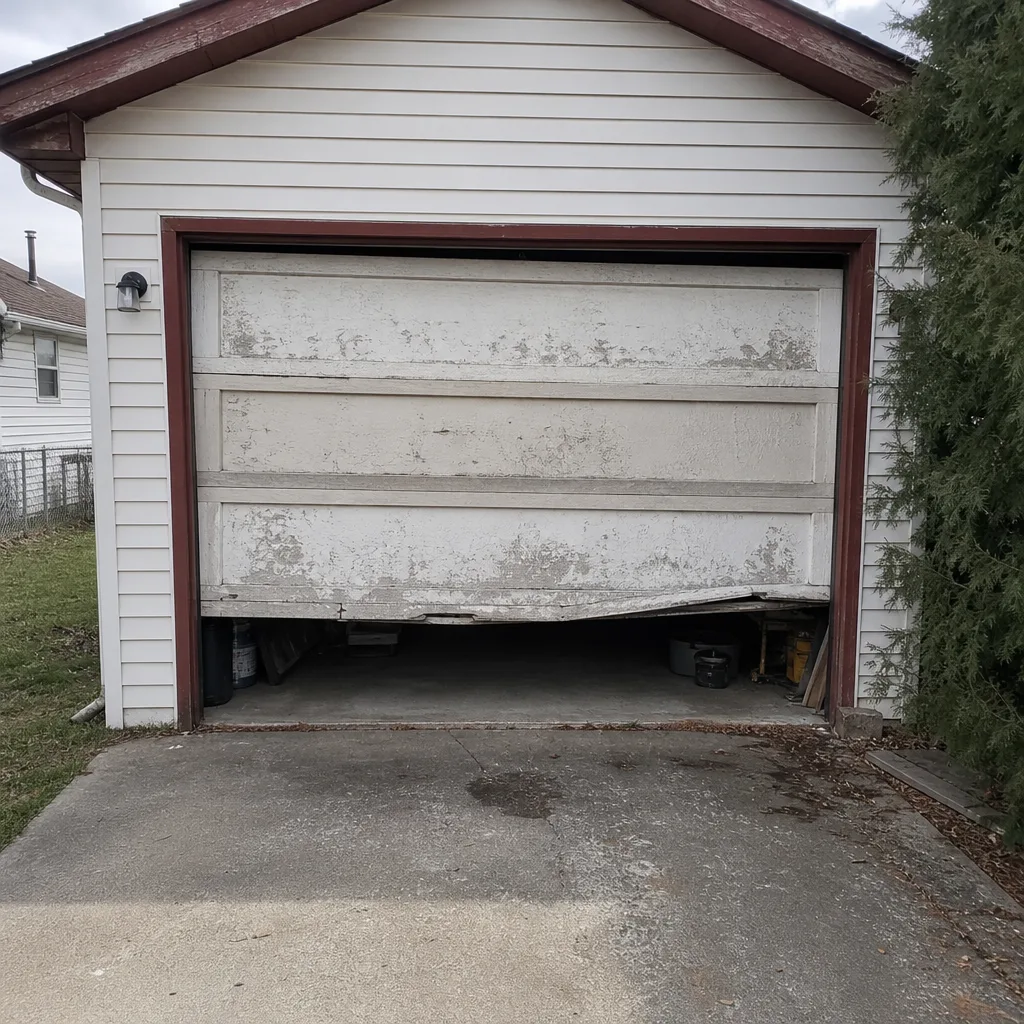 Before
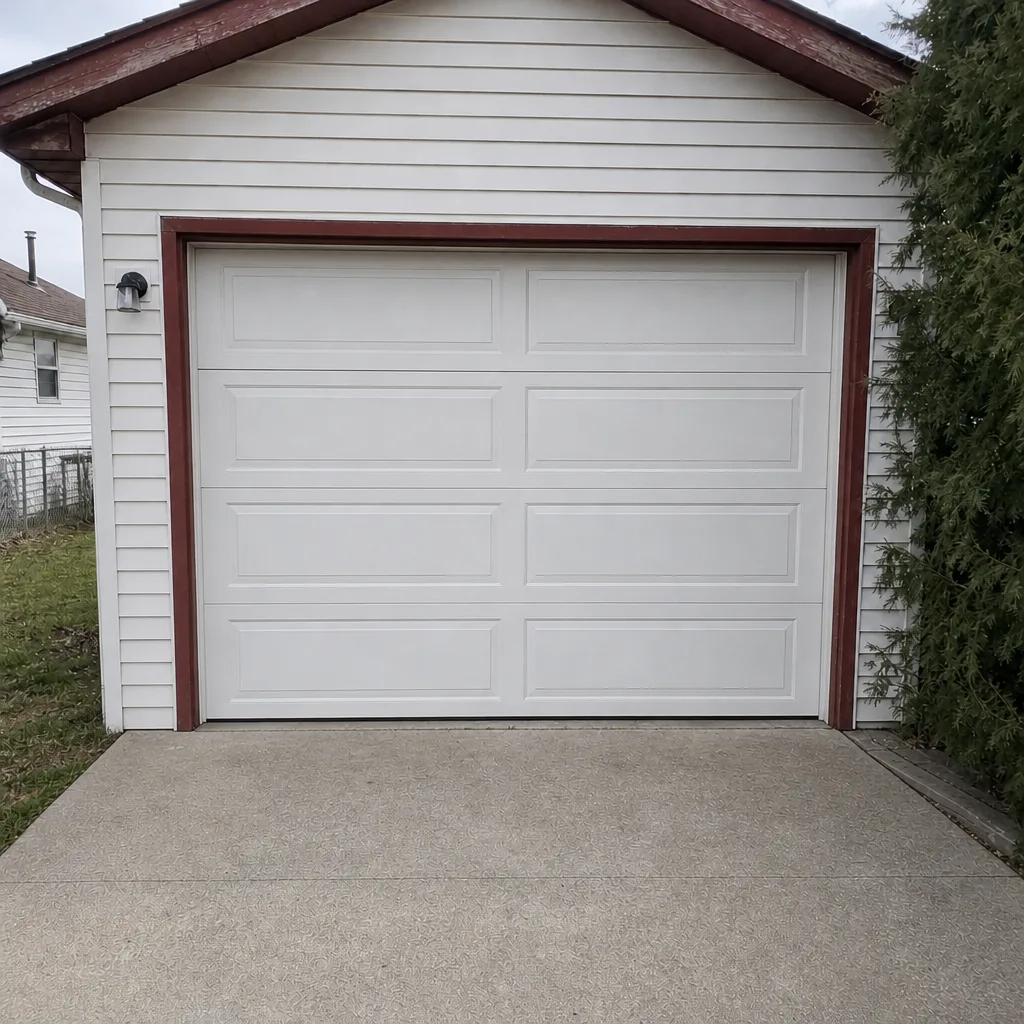 After
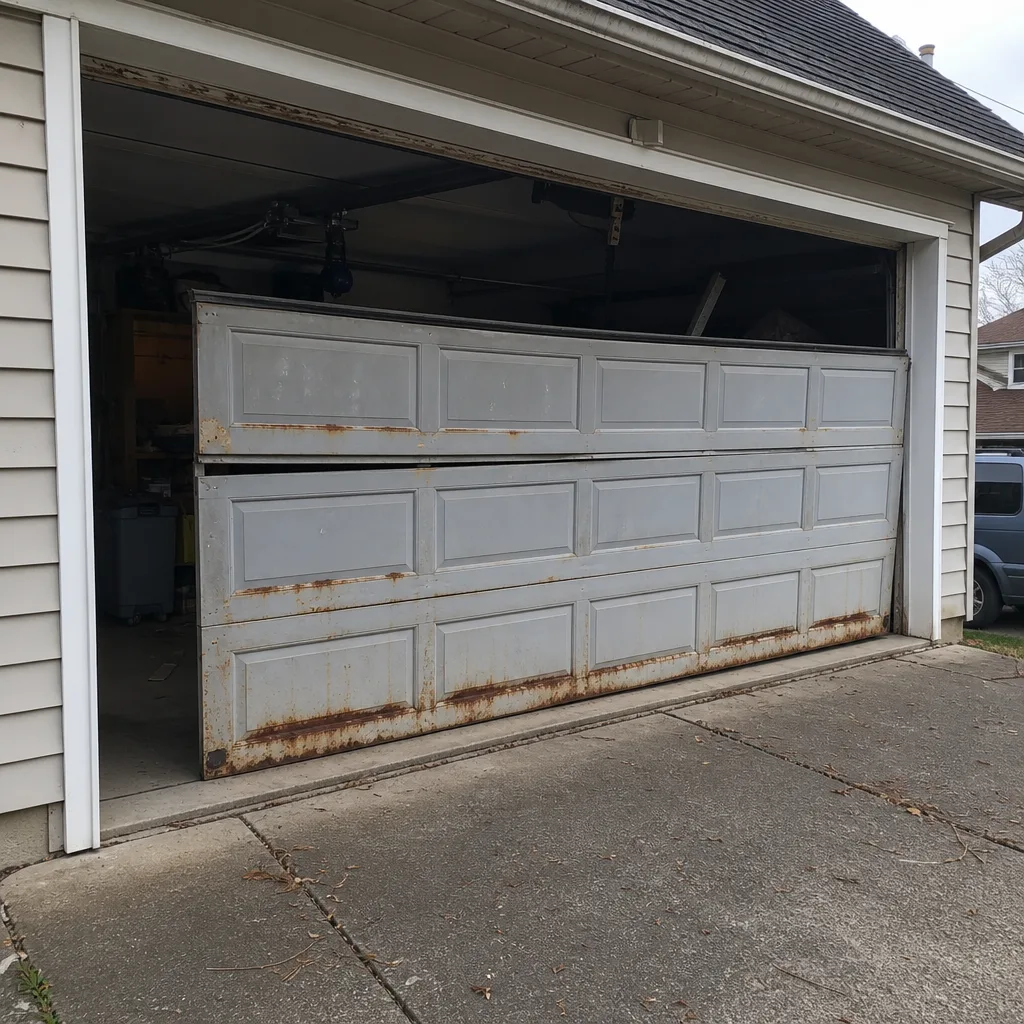 Before
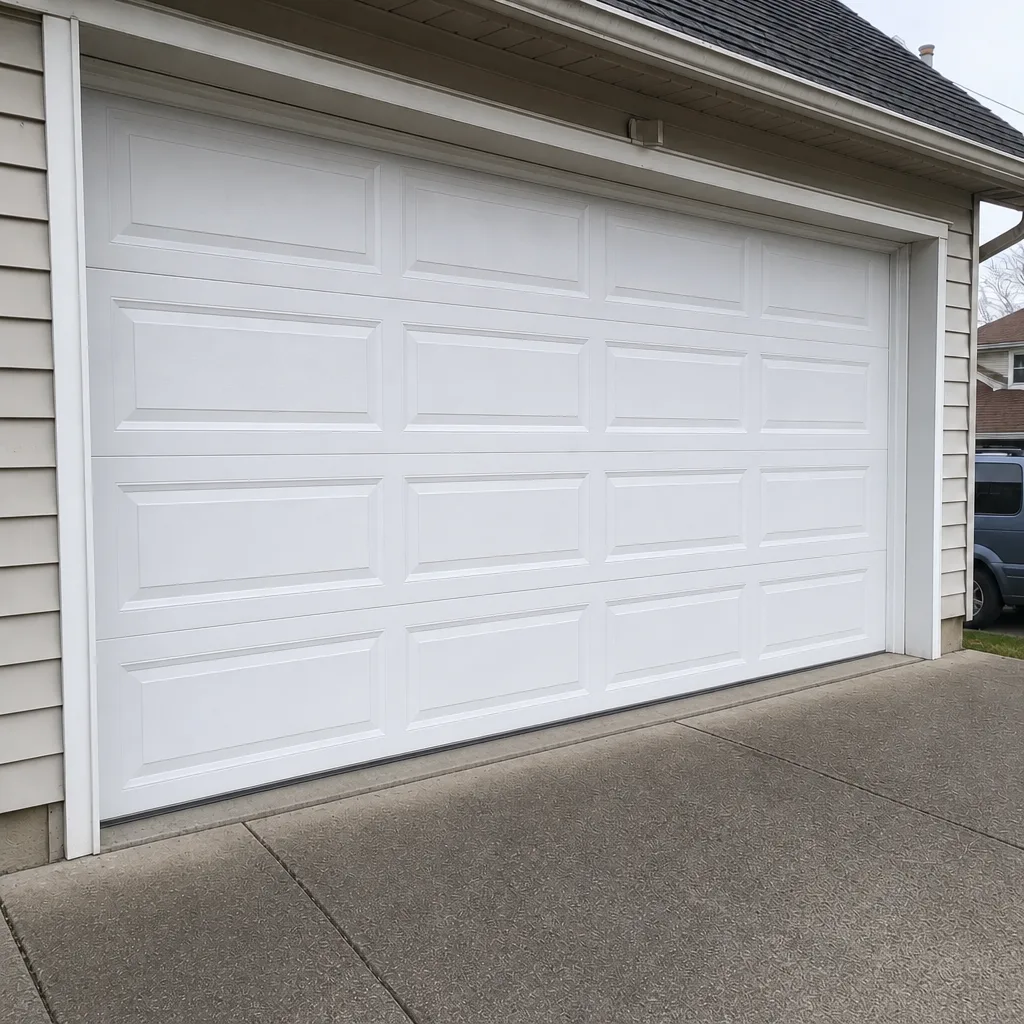 After
When to Call a Professional
Call us if a spring has snapped or looks stretched, if the door won’t lift by hand with the opener disengaged, if the door is binding or dragging on one side, or if the opener runs but the door doesn’t move. Those are the situations where a DIY attempt gets people hurt or turns a small repair into a bigger one. High-tension springs in particular are not a homeowner job; the stored energy in a wound torsion spring is enough to cause serious injury, and the cables, brackets, and drums around it are part of the same system. A trained technician is the right call, and that’s a safety line we don’t cross. Garage Door Repair Hagerstown offers free estimates in Hagerstown – call (833) 866-7412.
Frequently Asked Questions
Spring, and specifically April, is when torsion springs break most often in Hagerstown. The freeze-thaw cycles of February and March fatigue the metal, and the fracture tends to show up once the weather warms and you’ve stopped expecting a problem. Call (833) 866-7412 for an exact quote if a spring looks or sounds wrong; estimates are free.
Run a short inspection at the start of each season, and do the full fall pass in October before the first freeze. That gives you four touchpoints a year, which is enough to catch most wear before it becomes a repair. A professional tune-up once a year covers the parts a homeowner can’t safely check.
Cold stiffens the door’s hardware, thickens the lubricant, and shrinks the seals, so the door takes more force to move. If the door is also getting hard to lift by hand, the springs are losing tension and should be checked. Don’t just turn up the opener’s force setting; that masks the problem.
A frozen door usually frees without a service call if you disengage the opener and loosen the seal with warm water, and it’s worth trying that first. If it still won’t lift by hand after the seal is free, the issue is a spring or a track, and that needs a technician. We handle both, including urgent calls when a door is stuck open.
Yes, especially on wooden doors and on the bottom seal. Wood swells and binds, and the seal’s adhesive softens. Both are easy to check in June and July and cheap to fix before they worsen. If you’re not sure what you’re looking at, a quick visit settles it.
No surprise after the fact. We quote the work and agree on it with you before anything starts, and the written estimate sets the final price. Free estimates are available, so call (833) 866-7412 to get an exact figure.
The Bottom Line
Hagerstown’s four seasons each stress a different part of your garage door, and the calendar is the best predictor you have. Springs break in spring after the freeze-thaw winter, humidity works on wood and seals in summer, October is the month to prep for cold, and January is when a frozen door tests your patience. Run the four-season inspection, watch the door’s cycle count against its local wear, and don’t force anything that’s jammed. For any repair, opener issue, spring, or a full replacement decision, call (833) 866-7412 for a free estimate. We work on garage doors only, and we’ll tell you which fix actually makes sense.
Written by the team at Garage Door Repair Hagerstown.