Last updated November 22, 2026
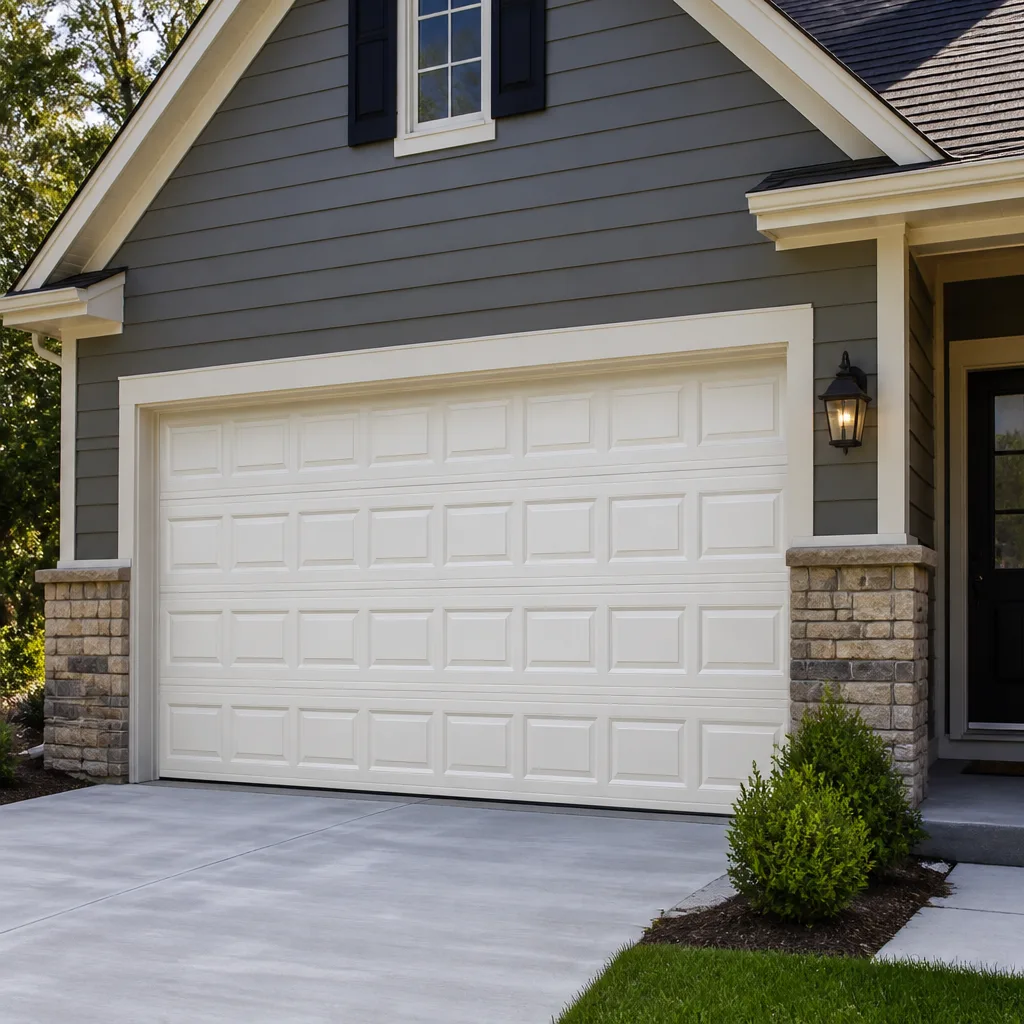 Raised-panel steel
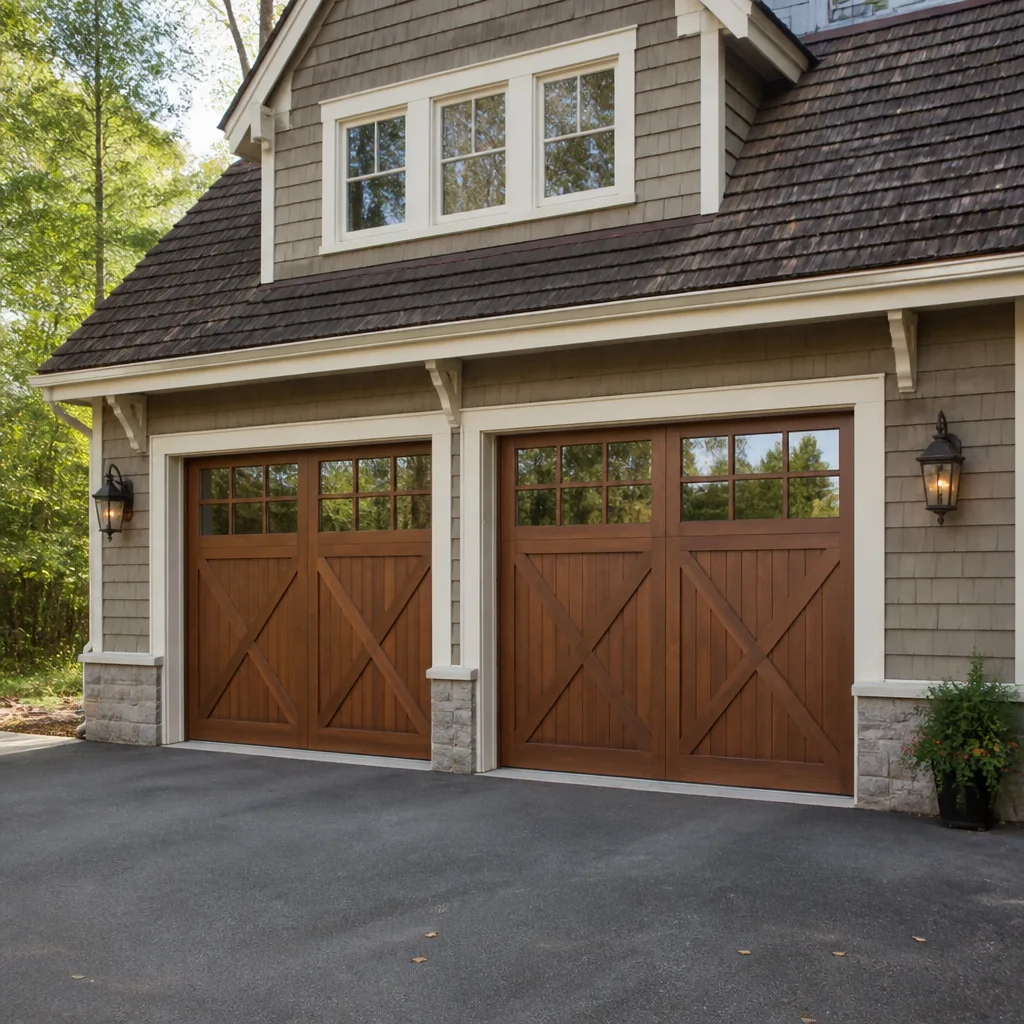 Carriage house
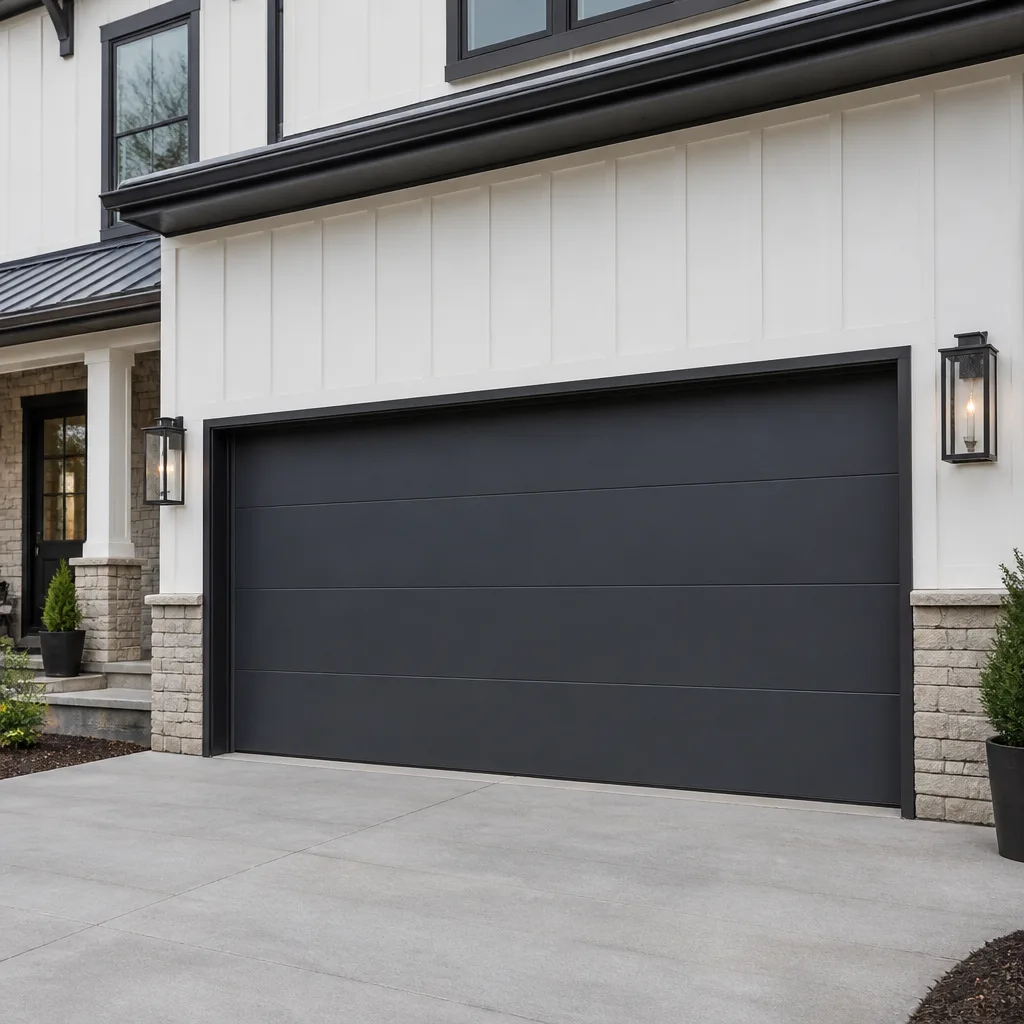 Modern flush
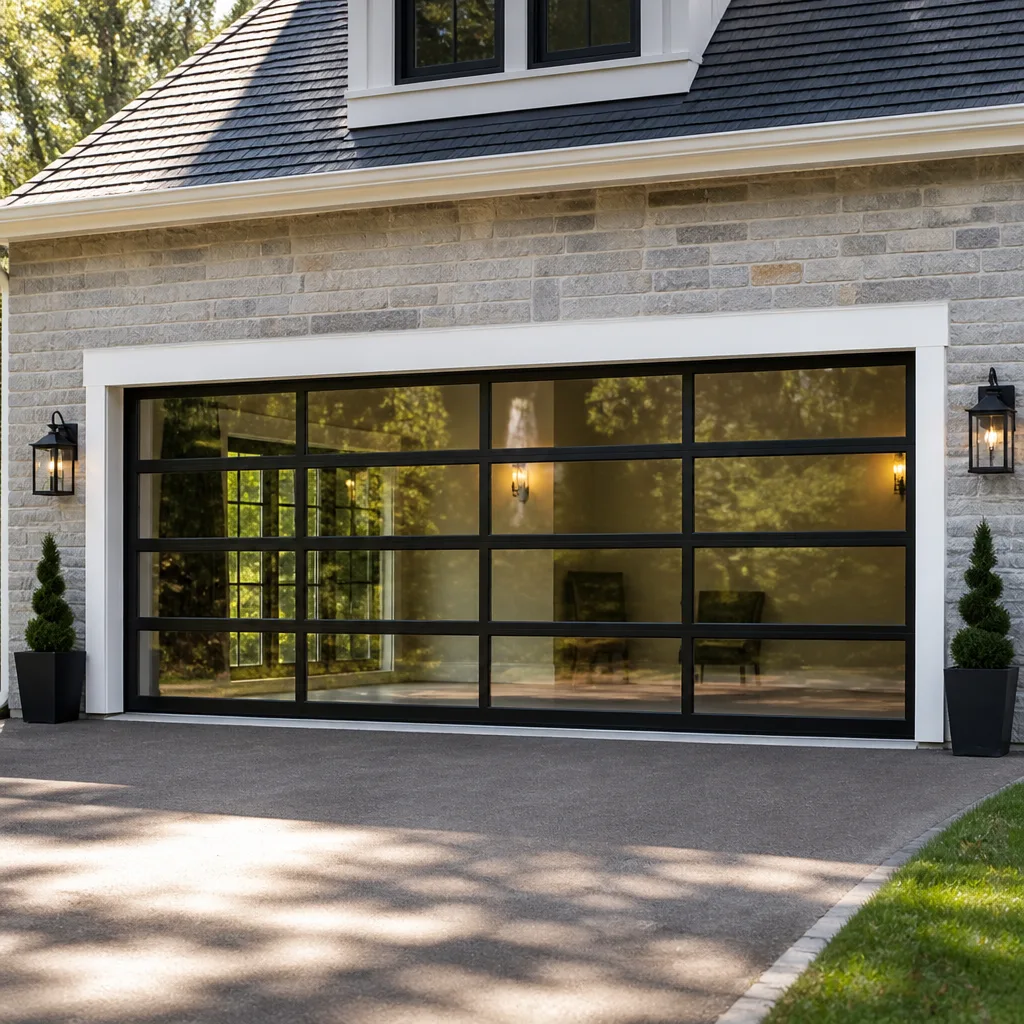 Full-view glass
 LiftMaster openers
 Chamberlain openers
Full 25-point door and opener safety check with every visit - springs, cables, rollers, tracks, and your LiftMaster or Chamberlain opener included
You get a price before we start. It does not change when the pro arrives.
Get your free estimateGarage Door Permits, Codes & Inspections in Hagerstown, MD: What You Need to Know
Here’s the part that surprises most Hagerstown homeowners: replacing a garage door with the same size door in the same opening usually doesn’t require a building permit in Washington County. Widen that opening by four inches, cut into the header above it, or add a new opening where a wall used to be, and you’ve crossed into structural territory where a permit is required. Most people don’t learn where that line sits until they’re sitting at a closing table with a buyer’s inspector asking questions. This guide draws the line clearly: what triggers a permit in Hagerstown and Washington County, what Maryland’s wind and energy codes mean for a new door, how HOA rules layer on top, and how unpermitted work shows up at resale.
Quick Answer
In Hagerstown and greater Washington County, MD, a like-for-like garage door replacement in the existing opening generally does not require a residential building permit, but a permit is typically required when you change the opening size, modify or replace the structural header, or cut a new opening. New door installations still have to meet Maryland’s wind-load and energy code requirements, and any HOA architectural review runs separately from county code. When in doubt, call the Washington County building department before you order a door.
Styles & brands we work with
- Raised-panel steel
- Carriage house
- Modern flush
- Full-view glass
- LiftMaster openers
- Chamberlain openers
Table of Contents
- When does garage door work need a permit in Washington County?
- What garage door work usually doesn’t need a permit?
- Maryland wind-load and energy code for new garage doors
- How the Washington County permit process works: steps, timing, and who pulls it
- What inspections actually look at
- How unpermitted garage door work shows up at resale
- How Hagerstown-area HOA rules interact with county code
- Hagerstown neighborhoods, housing stock, and why the answer varies
When Does Garage Door Work Need a Permit in Washington County?
Washington County issues a residential building permit when garage door work crosses from a finishing trade into structural or envelope work. The distinction isn’t about the door itself. It’s about the wall the door lives in. A garage door is set into a framed opening with a header above it that carries load, and anything that changes that opening or that header is a building code matter, not a door matter.
In our experience, the work that reliably triggers a permit application in Hagerstown and the surrounding county falls into a short list:
- Widening or narrowing the opening. Even a modest width change means cutting framing, adjusting the header, and re-flashing the exterior. That’s a structural alteration and needs a permit.
- Changing the opening height. Raising a header to fit a taller door is a structural change to the wall and the load path above it.
- Replacing or modifying the structural header. If rot, sag, or a size change means the header itself has to be repaired, sistered, or replaced, a permit is usually required.
- Cutting a brand-new opening. Turning a solid wall into a garage opening, or converting a carport to an enclosed garage, always needs a permit and plan review.
- Converting a garage to living space. Walling off the opening is a change of use and triggers a permit. It also has implications for egress, insulation, and sometimes zoning.
A same-size swap – same width, same height, same opening – is normally treated as a replacement of a component, not an alteration of the structure. That’s the common case in Hagerstown, and it’s why most homeowners who simply want a newer door never touch the permit office.
What Garage Door Work Usually Doesn’t Need a Permit?
Most garage door work in Hagerstown is repair and replacement, not construction, and the bulk of it doesn’t require a permit. Knowing which jobs fall into that category saves you time and phone calls.
- Like-for-like door replacement. Same size, same opening, new door of the same or comparable weight and material. This is the everyday replacement job in Hagerstown, and it’s typically exempt.
- Spring repair or replacement. A garage door spring repair is a mechanical repair inside the existing door assembly. No permit applies. It is, however, the most dangerous repair in the trade, and it’s not a job for a general handyman.
- Opener repair or replacement. Swapping a LiftMaster or Chamberlain opener, or repairing a wall-mount Genie unit, is an appliance-level repair. No permit.
- Cable, roller, hinge, and track service. Replacing worn rollers or a frayed cable is maintenance. No permit.
- Adding a safety reverse or photo-eye system. These are safety accessory installations on the existing opener, not structural work.
One caveat: if a repair turns into a frame rebuild – say a rotted jamb has to be cut out and replaced, and the header is affected – the job may cross the line into permitted work. A technician who’s looking at the opening can tell you when that’s the case. That’s a conversation to have before the work starts, not after.
Maryland Wind-Load and Energy Code for New Garage Doors
Maryland’s building code applies to new garage door installations in Washington County, and the two requirements that actually shape a door choice are wind load and energy performance. Both affect what you can order, especially on a new opening or a door that has to be rated for exterior exposure.
Wind load
Maryland’s code sets a design wind speed that a garage door installation has to be engineered to resist. For a Hagerstown installation, the door, its reinforcement struts, the tracks, and the anchors all need to be rated for that load, and the anchoring into the framing matters as much as the door slab. A door rated for wind load but anchored with short, undersized fasteners into a soft jamb doesn’t meet the intent. This is where Wind Rated vs. non-rated doors become a real decision rather than a sales add-on. Manufacturers sell wind-load-rated door models in the Clopay and Amarr lines, and a wind-rated door with the specified anchor pattern is what a reviewer is looking for on permitted work.
When we quote a garage door repair that turns into a replacement involving the opening, we ask about wind-rating up front. It changes what gets ordered and how long it takes to arrive.
Energy code
Maryland’s energy code applies to the building envelope, and a garage door on an attached garage is part of that envelope. A new insulated door with a rated thermal value is what the code is driving at, especially where the garage shares a wall or ceiling with living space. If a homeowner is upgrading to an insulated door, the door’s rated value should be documented in the plans or specifications. That documentation is one of the things a plan reviewer or inspector will check on permitted work.
How the Washington County Permit Process Works: Steps, Timing, and Who Pulls It
If your garage door job does require a permit, the process itself is more routine than most people expect. Washington County’s process for a residential structural permit is straightforward, but it has an order of operations you don’t want to get wrong, because the permit has to be issued before work starts.
- Confirm you need a permit. Call the Washington County Department of Permits and Inspections, describe the work, and ask whether it’s a permit job. Ask specifically about the opening size, the header, and whether the job changes the building envelope.
- Get a written scope from your contractor. The permit application needs a clear description of the work: opening dimensions, door model and wind rating, header details, flashing, and fastening. Get this in writing before anyone applies.
- Decide who pulls the permit. In Washington County, the homeowner can pull a permit on their own owner-occupied home, but most people choose to have the licensed contractor pull it as a part of the project. A contractor-pulled permit places the inspection responsibility on the contractor, which is generally the cleaner path.
- Submit the application and pay the fee. Permit fees are set by the county and scale with the project. The county’s fee schedule is the source of the number, so ask for it rather than guessing.
- Plan review. A structural permit typically goes through plan review. Timelines depend on the county’s current workload, so ask what the current review time is when you apply. Don’t order materials until the permit is issued.
- Get the inspection. Once issued and installed, the work has to pass inspection before the permit is closed. The inspection is a real check, not a formality.
- Close the permit. A closed permit is a document you’ll want on hand at resale. Keep it with your home records.
If any part of this order feels uncertain, call the building department before ordering. A 10-minute phone call at the start saves weeks in the middle. In Hagerstown, the county is the source of truth on whether a specific job needs a permit, not a contractor’s verbal opinion and not a website.
What Inspections Actually Look At
A garage door inspection in Washington County isn’t an inspection of the door’s mechanism. It’s an inspection of the structural work and the envelope. Understanding what’s checked tells you what to make sure gets done right the first time.
- Framing and header. The inspector verifies the header size, the framing around the new opening, and that the framing matches the approved plan.
- Wind-load attachment. The anchoring pattern, fastener type and depth, and the door’s wind rating documentation are all part of the check on rated installations.
- Flashing and weather barrier. The exterior needs to be flashed and weather-tight around the opening. Water intrusion at a garage opening is a common future repair for a reason.
- Energy envelope. On an attached garage, the door’s rated thermal value and how the door meets the surrounding envelope get reviewed against the approved plans.
- Fire separation. Where an attached garage shares a wall or ceiling with living space, the separation between garage and house falls under code. The door assembly itself is part of that conversation.
- Safety systems. If the opener is new or replaced, the photo-eye and reverse-on-contact safety systems are checked as part of the finished job, even though they’re not the structural reason for the permit.
This is why we tell homeowners that permitted work protects them twice: it makes the structural work stronger, and it produces a paper trail that answers the buyer’s inspector later. Hagerstown homes change hands, and unclosed permits have a way of turning up during a sale.
How Unpermitted Garage Door Work Shows Up at Resale
Unpermitted garage door work has a habit of surfacing during the home inspection on a Hagerstown resale. It usually doesn’t stop the sale, but it slows it down and it gives the buyer negotiating room. Here’s how it’s typically spotted.
- Mismatched opening dimensions. A door opening that doesn’t match the original footprint, or framing that looks newer than the surrounding wall, sends an inspector looking for a permit record.
- Evidence of an altered header. Sistered lumber, a header that looks undersized for the span, or cut framing around the opening are all things a good inspector notes.
- No permit record on file. The buyer’s agent will often pull the county’s permit history. An alteration on record without a matching permit is a red flag.
- Missing wind-load documentation. An unrated door on a permitted or newly-built opening raises a question about whether the installation meets Maryland’s wind-load requirement.
- Improper flashing or weather barrier. Staining, soft framing, or caulk-heavy detailing around the opening suggests the exterior wasn’t done to code.
- An unclosed permit. A permit that was pulled but never inspected is as much a problem as no permit at all. The file is open, and the work is unverified.
The remediation path is usually to apply for an after-the-fact permit, allow inspection, and correct whatever doesn’t meet code – which can mean opening up finished work. It’s binding, it takes time, and it can push a closing date. Handling the permit correctly at the time of the door work is always cheaper than handling it at the closing table.
How Hagerstown-Area HOA Rules Interact with County Code
HVAC and structural permits are county matters, but the look of your door can be an HOA matter, and in Hagerstown-area subdivisions the two run on separate tracks. Meeting one doesn’t satisfy the other. Homeowners who only check with the county sometimes find themselves facing an HOA warning after installation, and vice versa.
What HOA rules typically govern on a garage door:
- Door style and panel configuration. Some associations require a particular carriage-house, raised-panel, or flush-panel look and prohibit mixing styles across the street view.
- Color and finish. Many HOAs specify approved color palettes and finish types. A color that isn’t on the list is the single most common HOA garage door issue.
- Window options. Whether windows are allowed, and where.
- Material. Whether steel, wood-look, or aluminum doors are permitted in that community.
- Architectural review submission. Most HOA architectural review boards want a product spec sheet, a rendering or photo of the door, and a submission before the door is ordered.
The sensible order is: check HOA architectural rules first, then order the door, then handle any county permit that applies. If the HOA approval and the county permit are both required, they run parallel, not in sequence. A manufacturer like Wayne Dalton or Clopay will have spec sheets and color selections available for the HOA submission, which makes the review a paperwork exercise instead of a delay. When a door brand is specified by the HOA or the builder, working with a company that services that brand keeps the whole job in one place – which is why we work across the LiftMaster, Chamberlain, Genie, Clopay, Amarr, Wayne Dalton, Craftsman, and Raynor lines.
Hagerstown Neighborhoods, Housing Stock, and Why the Answer Varies
The permit answer isn’t the same on every block in Hagerstown, because the housing stock and the wall construction change street to street. The county’s code applies everywhere, but what a job actually involves depends on what the opening was built to handle.
In older Hagerstown neighborhoods, with narrower driveways and single-bay garages, most replacement work is genuinely like-for-like: same opening, newer door, and no permit required. Framing in those homes sometimes has more to correct on a repair, and a rotted jamb or a sagging header can turn a simple swap into a framed repair that crosses into permit territory. In newer subdivision construction – where two- and three-bay openings are common – the door sizes are larger and the opening is more likely to be a rated installation where Maryland’s wind-load requirement is checked, even on a replacement that doesn’t need a permit.
Neighborhoods around the city’s established core tend to have HOA involvement at a lower rate than the newer planned communities farther out. That flips the practical questions: on an older street the big question is usually whether the framing is sound; in a newer HOA community it’s usually whether the door you want is on the approved palette. Either way, when a homeowner calls for a garage door opener repair or a door replacement, we ask about the age of the home, the construction of the opening, and whether there’s an HOA before we quote.
The general rule holds across Hagerstown: same size in the same opening is a replacement, while changing the opening is construction. The county building department is the one to ask if you want certainty on a specific address.
Common Mistakes to Avoid
- Assuming a bigger door is just a bigger door. Widen an opening by a few inches and the header, the framing, the flashing, and possibly the wind-load rating all change. That’s a permit-and-review job, not a same-size swap.
- Pulling an HOA approval and calling it done. The HOA reviews style and color, not structure. A project can clear HOA review and still need a county permit.
- Pulling a county permit and skipping HOA review. The reverse mistake. A new door can be perfectly legal and still be out of compliance with the community’s style or color rules, which means taking it down and starting over.
- Ordering the door before the permit is issued. A door ordered for the wrong size opening, or a wind-rated door chosen before plan review comes back, is expensive to return. Wait for the permit.
- Leaving the permit open after installation. A permit that’s never inspected is worse than one that gets closed. The open file is visible at a resale. Call for the inspection once the work is finished.
- Treating the spring as a handyman job. No permit is needed for a spring replacement, but the safety risk is genuine. High-tension springs and the cables they’re connected to store enormous energy. That’s a specialist repair, and we handle it as a dedicated service for a reason.
- Trusting a verbal “you don’t need a permit.” The county building department is the source of truth, not a contractor’s opinion on a Saturday. Ask the county before you commit to a scope.
See the difference
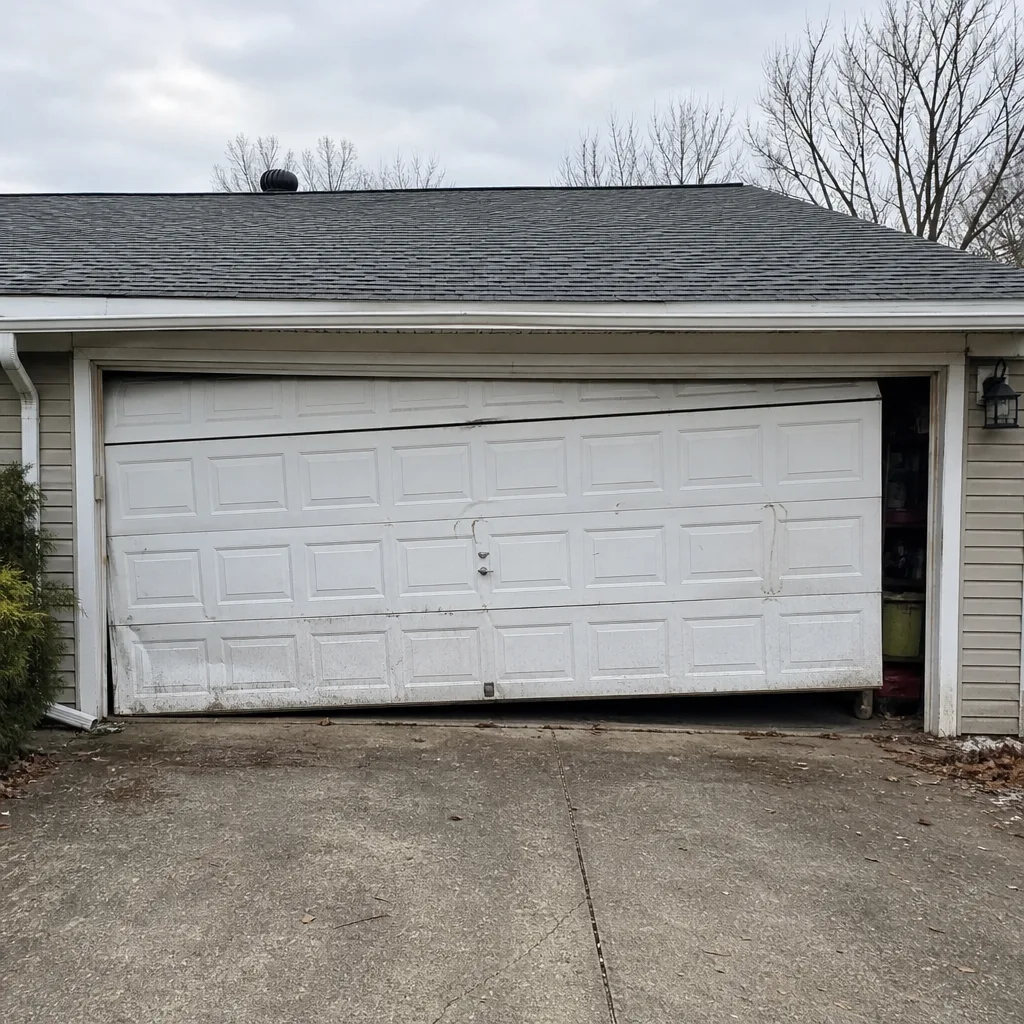 Before
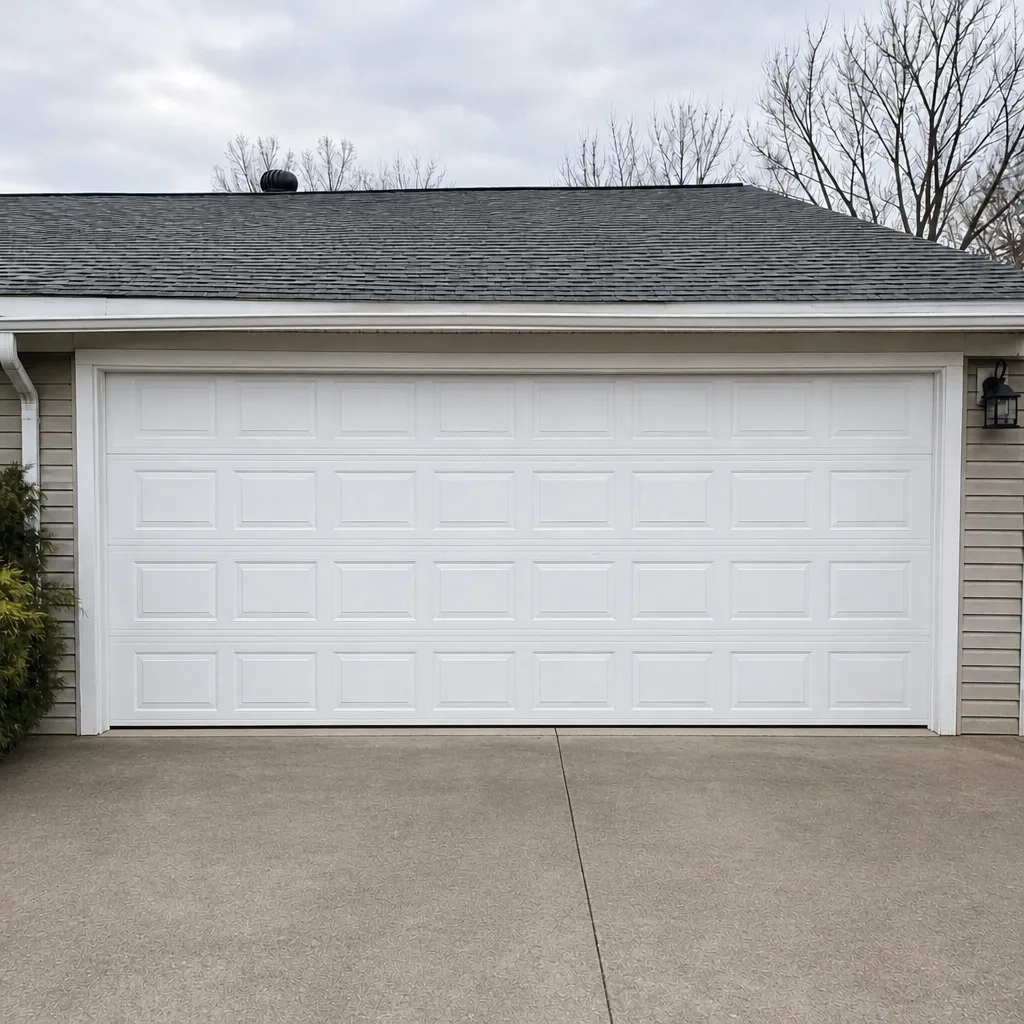 After
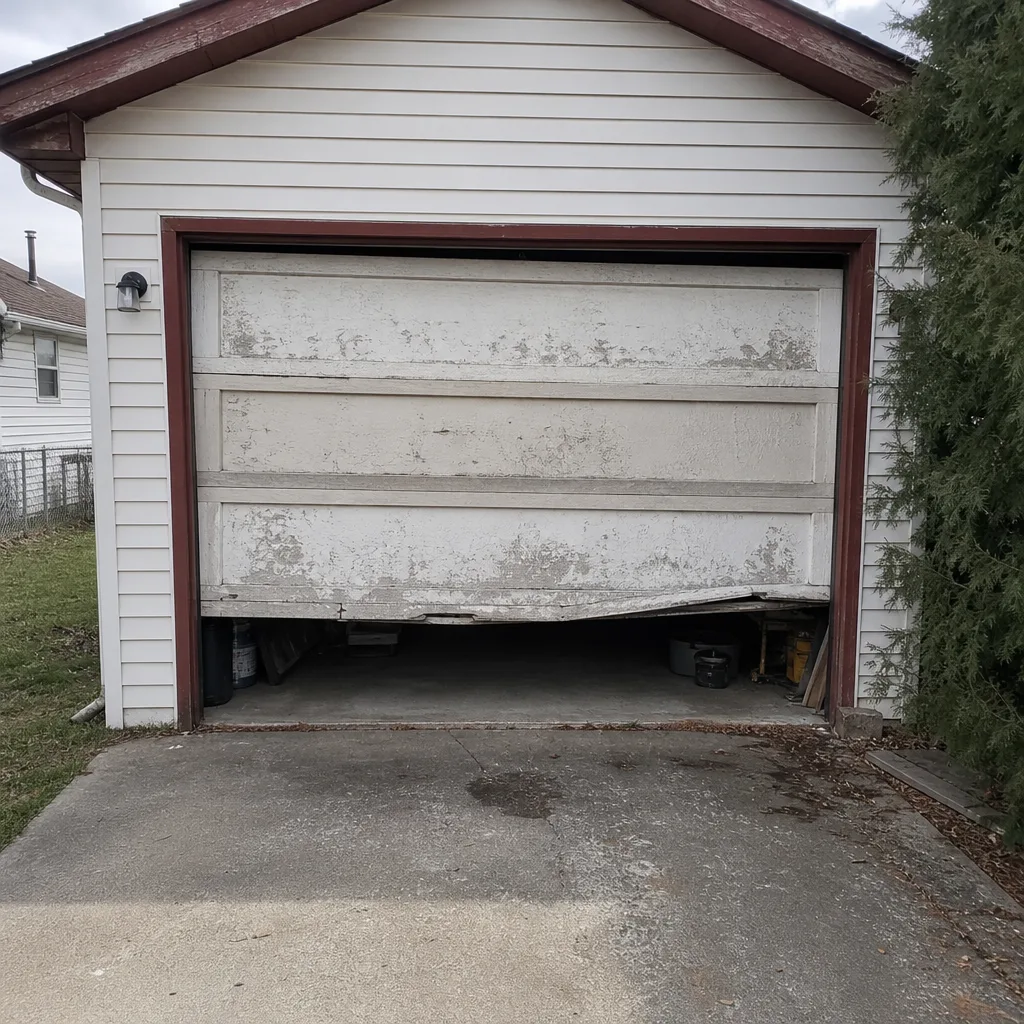 Before
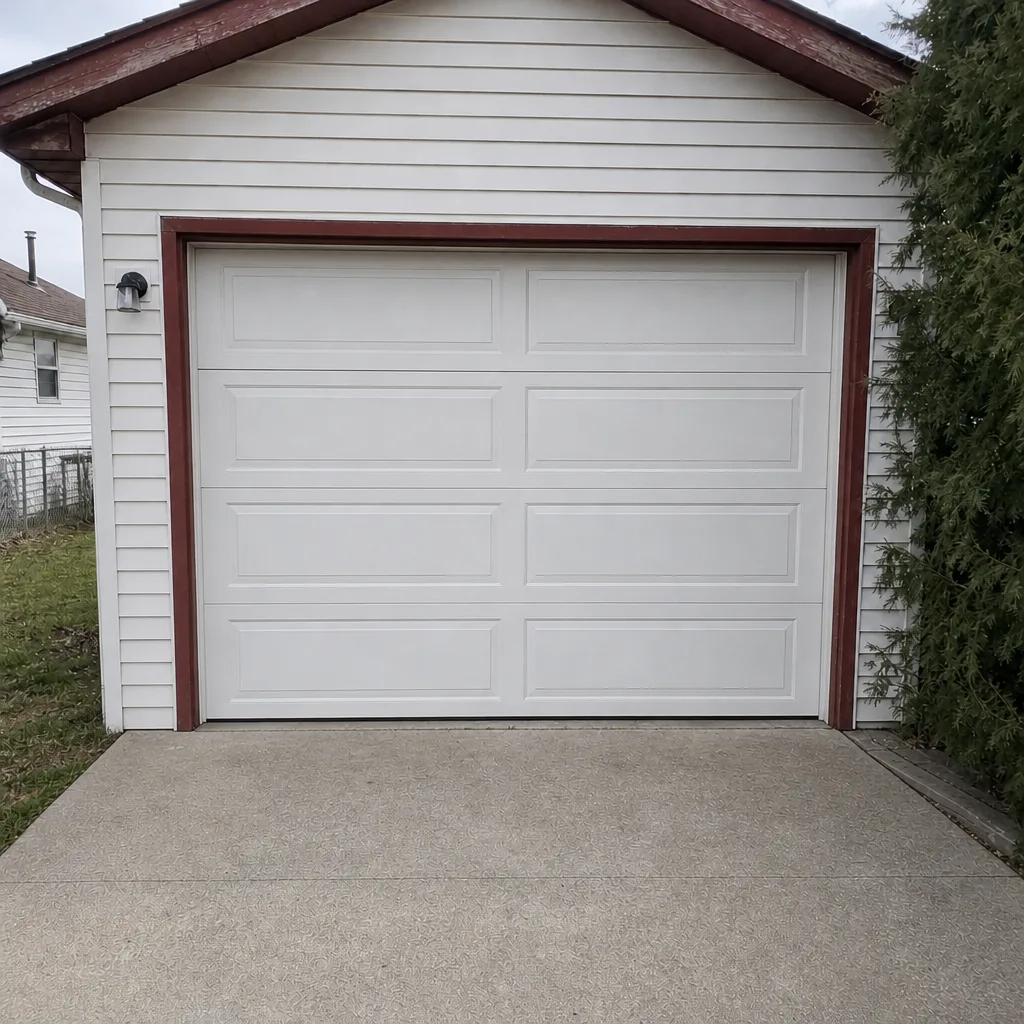 After
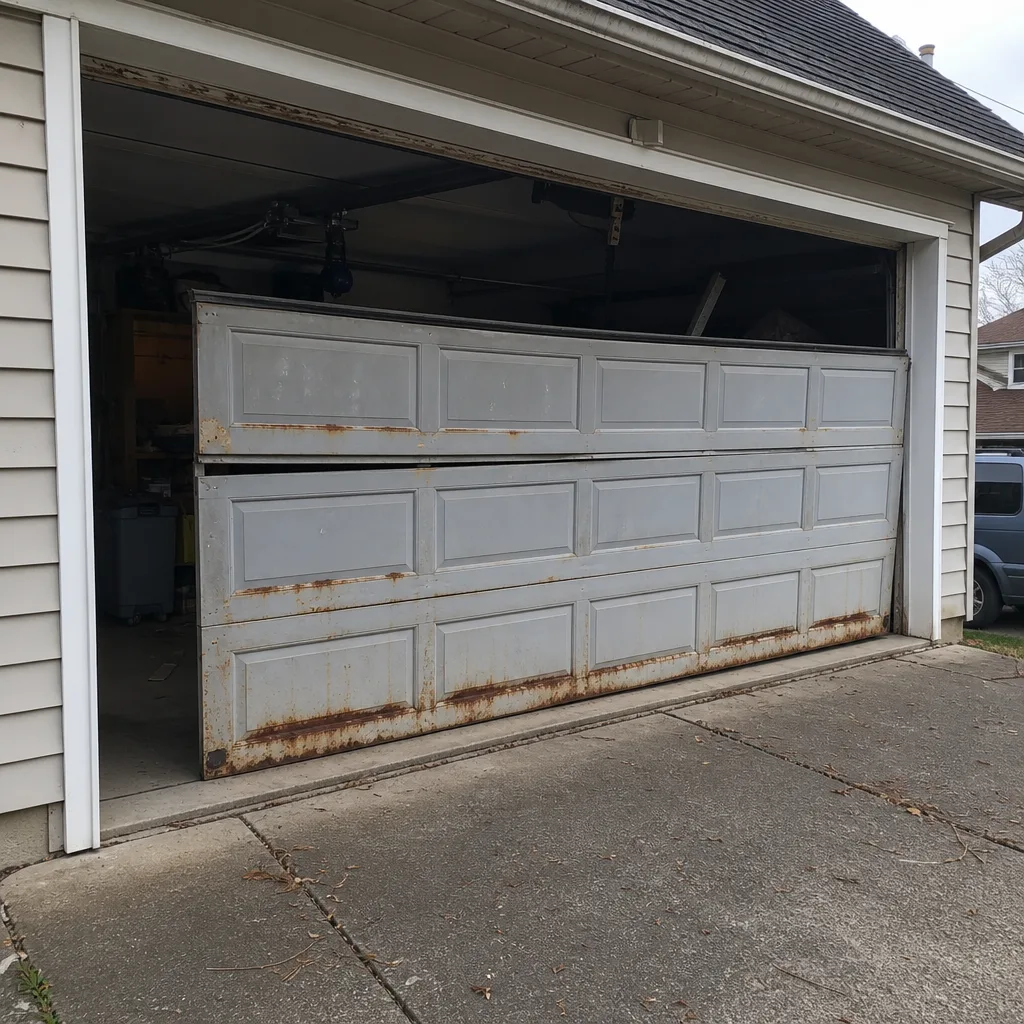 Before
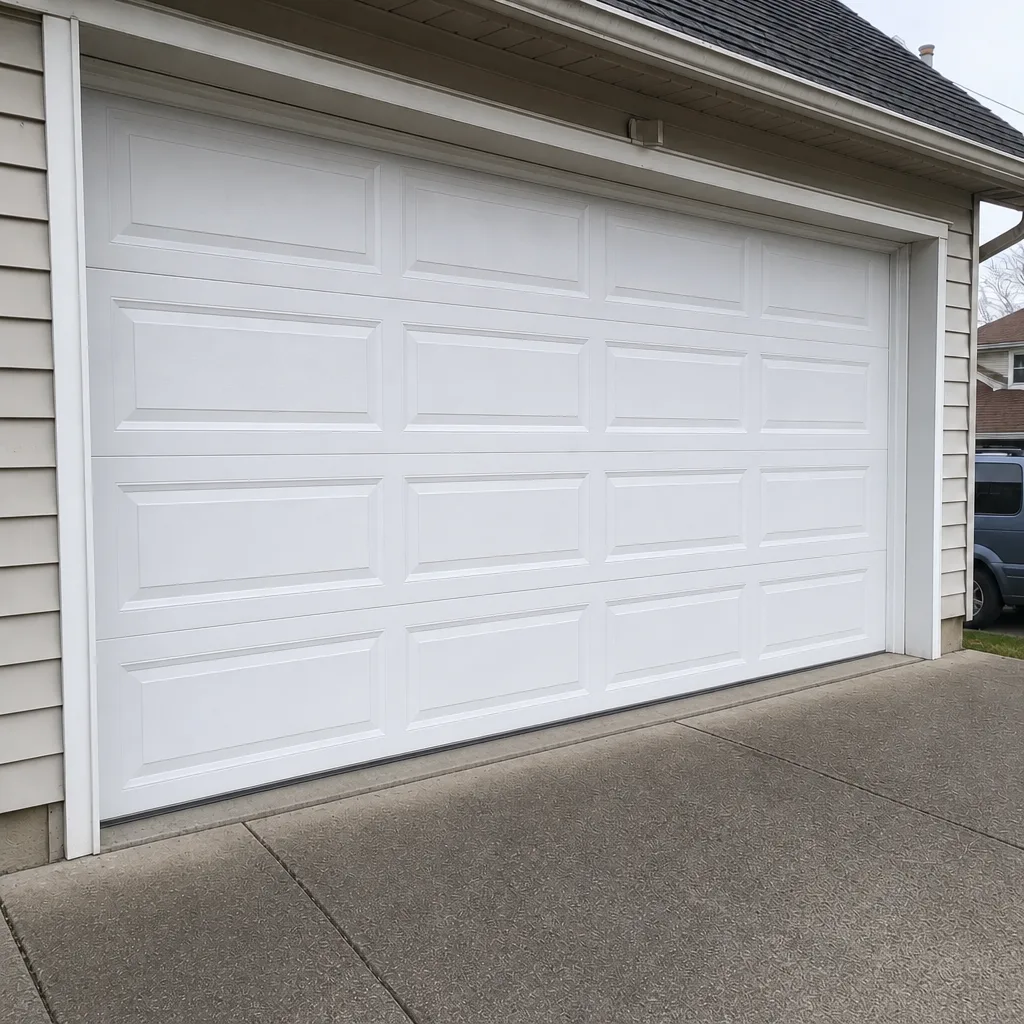 After
When to Call a Professional
Some garage door work in Hagerstown is straightforward enough to describe in a phone call, and some of it has real safety stakes or code implications that need a trained eye on site. Call us when the opening is involved – a size change, a new opening, an obviously sagging header, or a door that’s pulling away from its frame. Call when a spring or cable has failed or is making noise: high-tension springs and the cables they connect to carry lethal stored energy, and this is not a repair to attempt yourself. Call when the opener has stopped reversing, when the door binds and strains the opener, or when an older LiftMaster or Chamberlain unit is beyond a sensible repair. And call when you’re not sure whether a permit applies, because sorting out the question before work starts is cheaper and faster than sorting it out at a closing.
Garage Door Repair Hagerstown offers free estimates in Hagerstown. Call (833) 866-7412 and we’ll walk through the opening, the door, the opener, and the permit question before anything gets ordered – and every price is quoted and agreed before work starts, never after.
Frequently Asked Questions
Usually not, if the replacement door is the same size as the old one in the same opening. Washington County generally treats a like-for-like replacement as a component swap rather than a structural alteration, so a permit isn’t typically required. The moment the opening size changes or the header is modified, a permit is required. Call (833) 866-7412 for a free estimate if you’re not sure which category your job falls into.
Yes. Widening or narrowing a garage door opening in Washington County is a structural alteration and requires a residential building permit. The work involves cutting into the framing and the header, and it changes the load path above the opening. Plan review and an inspection are both part of that process. Ask the Washington County building department for the current submittal requirements before you order a door.
In Washington County, a homeowner can pull a permit on their owner-occupied home, but most choose to have the licensed contractor pull it. Having the contractor pull the permit places the inspection responsibility on the contractor, which usually results in a cleaner file at resale. If you’re working with us, we’ll tell you which approach makes sense for your specific job before anything is filed.
If the job required a permit and didn’t get one, the work is unverified, and that usually surfaces during a home inspection on a Hagerstown resale. The fix is typically an after-the-fact permit, an inspection, and correcting whatever doesn’t meet code, which can mean opening up finished work. It doesn’t usually stop a sale, but it slows it down and gives the buyer negotiating room. Call (833) 866-7412 if a buyer’s inspector has flagged your door.
Yes, on new openings and on any door installation where the opening is being changed. Maryland’s building code sets a design wind speed the door and its anchorage have to resist, and Wind Rated door assemblies with the specified anchor pattern are what reviewers look for. A like-for-like swap into an existing, previously rated opening is a different conversation. The county building department can confirm what applies to your address.
No. The permit itself doesn’t change your insurance premium. What matters to an insurer is whether your home’s structural work was done to code and is documented. A properly permitted and inspected garage door job gives you a file that supports a claim rather than one that complicates it. If you’ve had unpermitted structural work done on the opening, talk to your insurer about what documentation they’d want.
Optional Section: How to Prepare for a Garage Door Inspection
If your garage door job goes through a permit and an inspection, a little preparation on the day makes it go faster. None of this is difficult, and none of it is a substitute for the inspector’s own judgment.
- Have the permit on site. The approved plans and the permit card should be available where the work is visible.
- Keep the door’s documentation together. The product spec sheet, wind-load rating, and insulated value documentation should be on hand for the inspector.
- Leave the framing accessible. Interior framing around the opening should not be covered or finished before the inspection. This is the biggest single cause of a failed or repeated inspection.
- Make sure the door and opener operate correctly. The door should open and close smoothly. If the opener is new or replaced, verify the photo-eye and reverse-on-contact systems work.
- Be available for questions. The inspector may ask about the sequence of work or the anchoring detail. Being reachable keeps the visit on schedule.
- Ask the inspector to close the permit in writing. A closed permit with a documented inspection is the paper trail you want at resale.
The Bottom Line
The permit line in Hagerstown comes down to the opening, not the door. Same size in the same opening: a replacement, and usually no permit. A change to the opening, the header, or the structural wall the door lives in: a permit, plan review, and an inspection. On top of that, Maryland’s wind-load and energy requirements apply to new door installations in Washington County, and any HOA architectural rules run separately from county code. Check HOA first, county second, and the door order last. Keep every approval on file – the value shows up at resale. If you’re unsure which side of the line your project sits on, call (833) 866-7412 for a free estimate, and we’ll help you sort it out before a single material gets ordered.
Written by the team at Garage Door Repair Hagerstown.