Last updated November 22, 2026
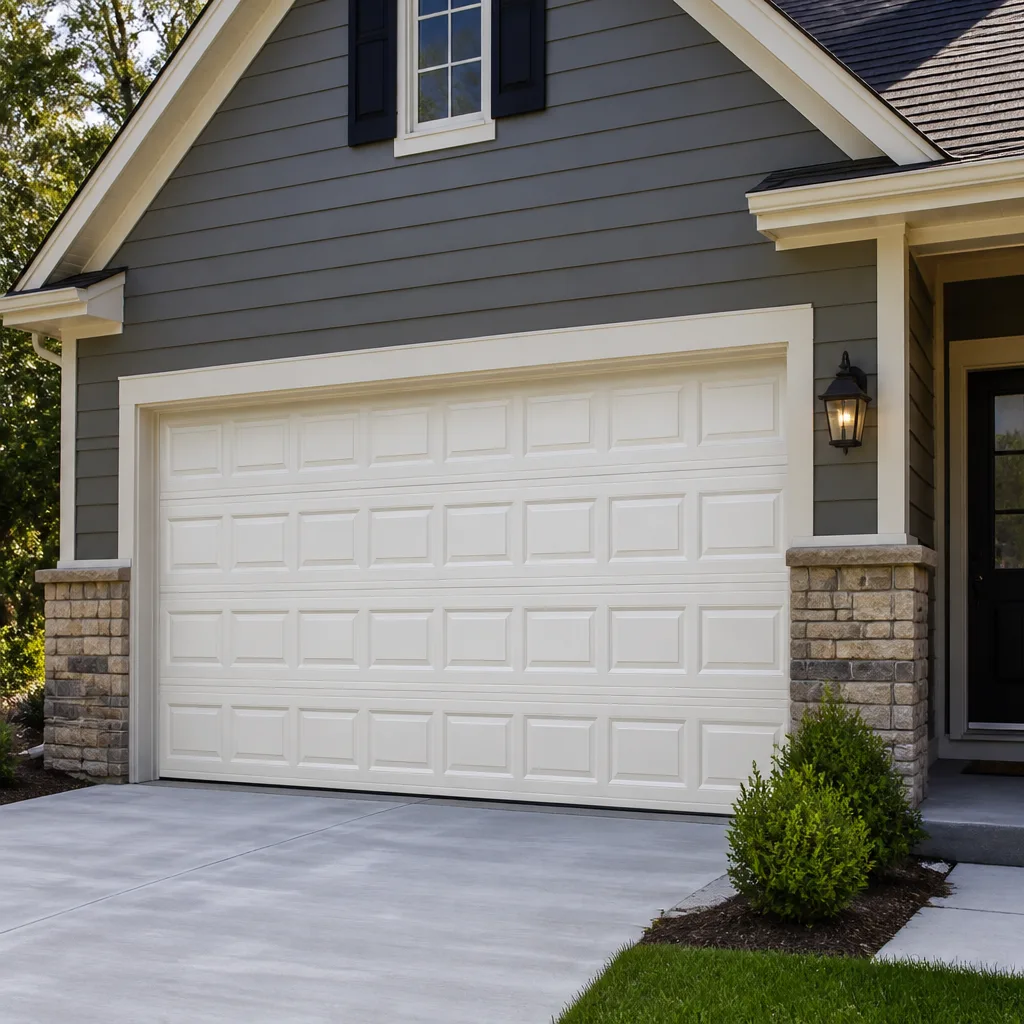 Raised-panel steel
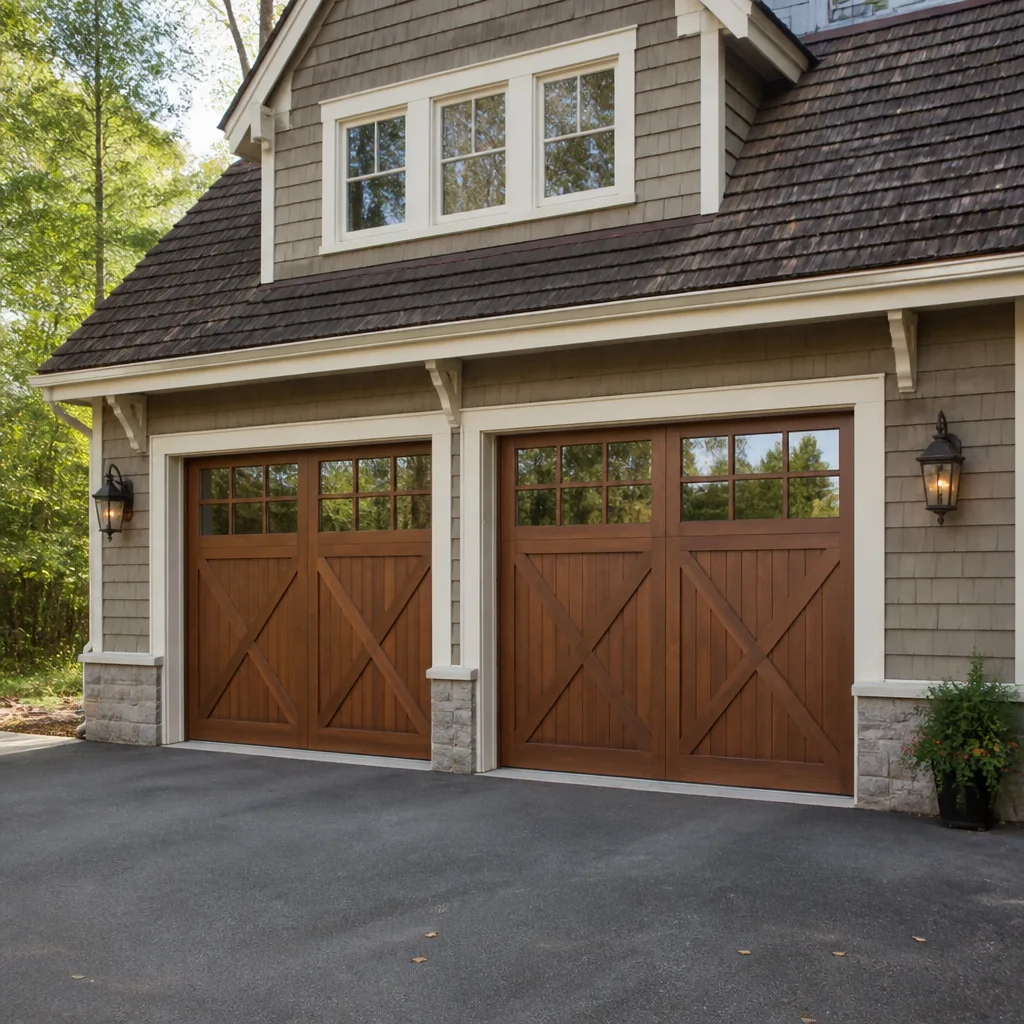 Carriage house
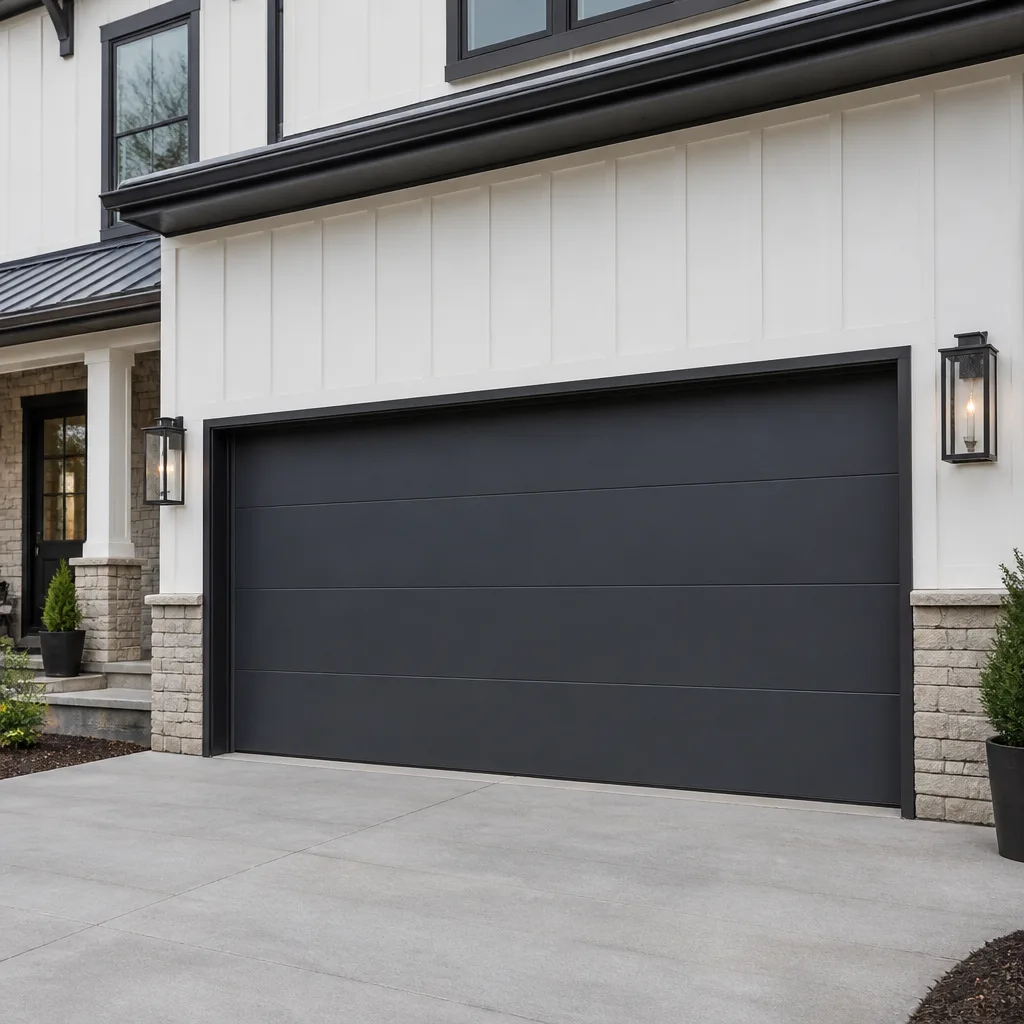 Modern flush
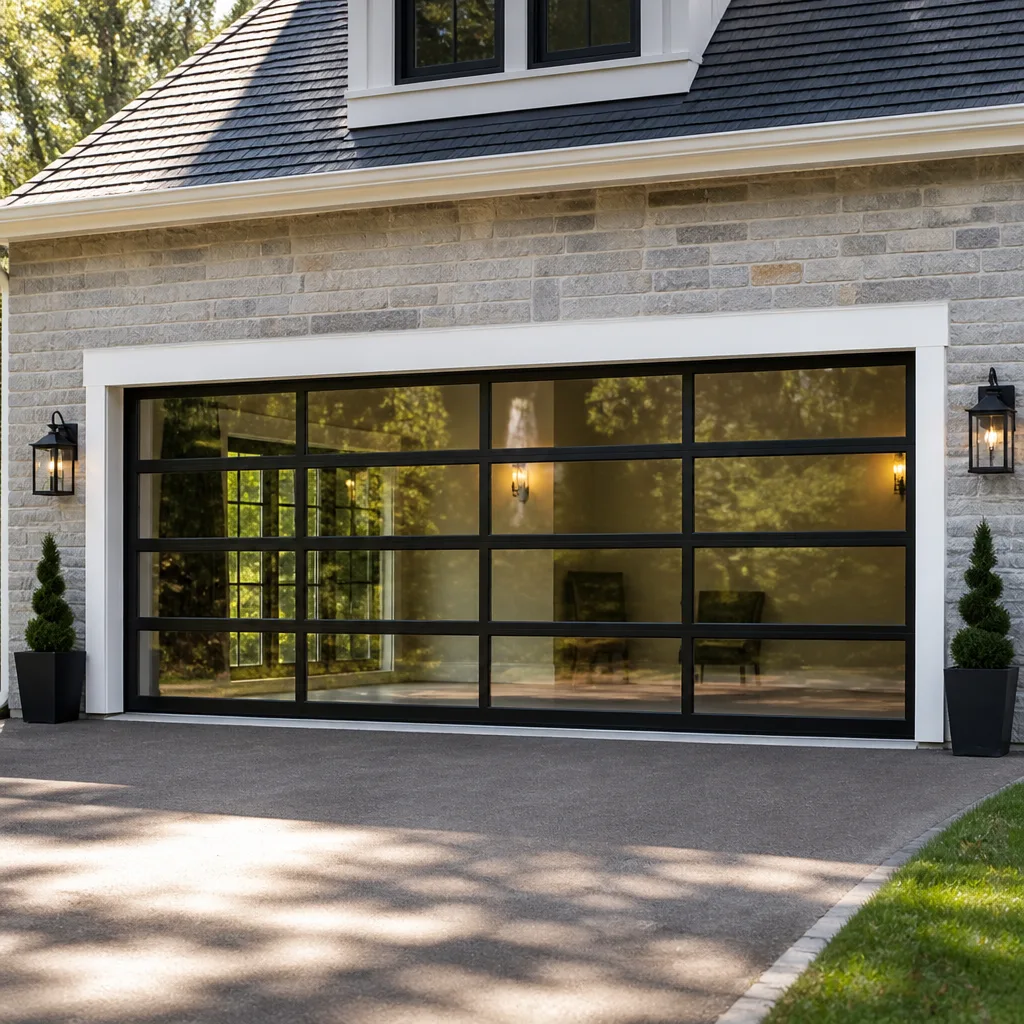 Full-view glass
 LiftMaster openers
 Chamberlain openers
Full 25-point door and opener safety check with every visit - springs, cables, rollers, tracks, and your LiftMaster or Chamberlain opener included
You get a price before we start. It does not change when the pro arrives.
Get your free estimateGarage Door Repair Maintenance Checklist for Hagerstown Homeowners
Silicone spray on a torsion spring does nothing useful. White lithium grease on a nylon roller wears it out faster. We’ve seen plenty of doors across Hagerstown that were “maintained” every year and still failed early, because the wrong product went on the wrong part. Lubrication is where most checklists fall apart: “lubricate moving parts” tells you nothing about which product, which component, or how often. This guide fixes that. You’ll get the specific products that belong on springs, rollers, hinges and tracks, a safe way to test spring tension without touching the spring, a cable inspection that tells you when fraying becomes a same-day call, and an opener test almost every homeowner skips. Written from Hagerstown, for the doors and winters we actually have here.
Quick Answer
A Hagerstown garage door needs a walk-around inspection and a balance test once a month, proper lubrication of springs, hinges and rollers two to four times a year, a weatherstripping and cable check before winter, and an annual opener force-sensitivity test. Springs, cables and opener adjustments are safety-critical; a trained professional should handle those, not a homeowner with a ladder.
Styles & brands we work with
- Raised-panel steel
- Carriage house
- Modern flush
- Full-view glass
- LiftMaster openers
- Chamberlain openers
Table of Contents
- Know Your Door Before You Touch Anything
- Part-by-Part Lubrication: The Right Product for Each Component
- How to Test Spring Tension Without Touching the Spring
- Cable Fraying: What to Look For and When It’s a Same-Day Repair
- Weatherstripping for Hagerstown Winters: Cosmetic Gap or Opener Strain?
- The Opener Force-Sensitivity Test Most Homeowners Skip
- Your Monthly Walk-Around: A Numbered Routine
- The Hagerstown Seasonal Maintenance Calendar
Know Your Door Before You Touch Anything
Before a maintenance routine means anything, you need to know what you’re maintaining. Hagerstown homes carry a wide mix of doors and openers, and a checklist that fits a Wayne Dalton sectional isn’t automatically right for a heavier wood-faced door. Here’s what to identify first.
- Door type. Sectional, one-piece tilt-up, or carriage-style. Sectional doors have more hinges and rollers to check and a torsion or extension spring setup to understand.
- Spring type. Torsion springs run horizontally above the door on a shaft. Extension springs run along the horizontal tracks on either side. The two fail differently and are inspected differently.
- Opener drive. Chain-drive, belt-drive, screw-drive or wall-mount. Belt-drive units from LiftMaster and Chamberlain are quieter and need less tension adjustment; chain-drive units are noisier and benefit from periodic chain lubrication.
- Brand. LiftMaster, Chamberlain, Genie, Craftsman, Clopay, Amarr, Wayne Dalton and Raynor parts and manuals differ enough that brand matters when something needs replacing.
We work on the brand you already have, which matters more than people expect. A Craftsman opener from the 1990s and a current Genie smart unit have different force-test procedures and different safety-reversal behavior. Jot down the make and model off the opener housing and the door panel sticker, and keep it with your maintenance notes. If you’d rather have a pro identify the setup, that’s part of what a garage door repair visit covers.
Part-by-Part Lubrication: The Right Product for Each Component
Different parts need different lubricants, and matching them is most of the battle. The wrong product on a part either does nothing or quietly speeds up wear. Use this table as your reference.
- Torsion and extension springs: a purpose-made garage door spring lubricant or a light lithium grease designed for the job. A thin coat on the coil reduces friction and noise. Silicone spray does almost nothing here; skip it.
- Steel rollers: light machine oil or a lithium spray at the roller stem, not the wheel edge.
- Nylon rollers: leave them alone. They’re self-lubricating; grease and lithium attract grit that grinds the nylon down faster.
- Hinges: a few drops of light oil or a small amount of lithium grease at each pivot point. Wipe off excess.
- Tracks: nothing wet. Wipe them clean and dry with a rag. Grease in a track collects dirt and makes the door drag.
- Opener chain (if chain-drive): a light chain lubricant, sparingly, so it doesn’t fling onto the door.
Wipe the door panels down at the same time so you can spot rust or dents while you’re at it. For roller and hinge work, a garage door opener repair specialist can confirm whether the opener or the hardware is the source of a noise complaint, since the two are easy to confuse.
How to Test Spring Tension Without Touching the Spring
You can check a spring’s health without putting your hands near it, and that’s exactly how it should be done. A simple balance test tells you what a spring inspection would, safely.
- Disconnect the opener by pulling the emergency release cord (usually the red handle).
- Lift the door by hand to about halfway and let it rest.
- If the door stays put at the halfway point, the tension is roughly balanced.
- If it drops heavily on its own, the springs are likely weak or one has failed.
- If it wants to fly up, there’s too much tension or another balance issue.
- Look at the springs themselves from a safe distance only: a clean gap in a torsion spring coil is a broken spring. A separated, stretched extension spring is the same story.
Never try to wind, unwind, adjust or “test” a torsion spring by turning the shaft. Those springs store enough energy to cause serious injury, and there’s a reason most handymen and general contractors refuse to touch them. A dedicated garage door spring repair call handles the tension side of things safely and tells you whether you have one broken spring or a matched pair that should be replaced together.
Cable Fraying: What to Look For and When It’s a Same-Day Repair
Inspect cables at each end of the door with a flashlight, looking for the first broken strand. Cables run from the bottom brackets up to the drum above the door, under constant tension, and they give warning signs before they snap.
- What to look for: a single broken wire strand poking out of the cable jacket, rust streaks on the cable, a kink or flat spot where it winds onto the drum, or a cable that looks slack on one side.
- When it’s a same-day repair: any visible broken strand, a cable that has jumped the drum, or a door that lifts crooked because one cable has slipped. Fraying cables are already compromised, and a snapped cable can let the door fall.
- When it’s cosmetic: a little surface rust with no broken strands and even lift. Clean and note it, then re-check next month.
Cables are one of those parts where the safe inspection is easy but the repair is not. If you see fraying, don’t run the door to “see what happens” while you wait. Call us at (833) 866-7412 and we can get a tech out for an urgent situation instead of you troubleshooting under a live door.
Weatherstripping for Hagerstown Winters: Cosmetic Gap or Opener Strain?
Hagerstown winters bring hard freezes and cold snaps that hammer weatherstripping, and a worn seal does more than let cold air in. It can put the opener under strain it wasn’t designed for.
Weatherstripping lives in two places: the bottom seal (the rubber flap on the door’s bottom edge) and the side and top perimeter seals on the frame. As rubber ages in the cold, it hardens, shrinks, and cracks. A gap along the bottom lets in cold air and drafts, and when the door presses down against a hard, flat seal instead of a soft one, the opener has to push harder to close. That extra resistance is exactly what can trip a properly adjusted opener into reversing before the door meets the floor.
Run this check before winter:
- Close the door and look for light. A visible gap along the bottom or sides is the first sign.
- Feel the bottom seal. It should be soft and pliable. If it’s cracked, brittle or flattened, it’s a candidate for replacement.
- Check the perimeter seals for tears or gaps where the door meets the frame, especially at the corners.
A small, softer gap that seals when the door presses down is usually cosmetic. A gap that stays open after closing is a draft problem, and a seal that’s turned stiff and crusty is putting extra load on the opener every time the door closes. That’s when you want it replaced rather than ignored. If the door seems to fight the opener to close, it’s worth checking whether the seal or the opener is at fault.
The Opener Force-Sensitivity Test Most Homeowners Skip
A garage door opener’s safety reversal is only as good as its force setting, and most homeowners never test it. The photo-eye sensor is what people remember to check. The force sensitivity is what actually stops a door that hits something.
Here’s the test. With the door open, place a good-sized object (a folded blanket or a piece of firm cardboard) flat on the floor in the door’s path, then close the door with the opener. When the door meets the object, it should reverse. If it keeps pressing down, the force setting is too high, and the door won’t protect anything or anyone in its path.
Run the photo-eye test at the same time, since they’re the two halves of reversal safety:
- With the door fully open, wave a hand through the beam near the floor to confirm the door reverses.
- Confirm the sensor LEDs on each side are steady, not flickering.
- Check the sensors are square to each other and pointed at one another, not knocked out of alignment.
- Make sure nothing (a broom, a snow shovel, a hockey stick) blocks the beam.
Force settings live inside the opener, and pulling them down the wrong way can cause nuisance reversals. If the door fails the blanket test, that’s a job for someone who knows your opener’s model. On LiftMaster and Chamberlain units, the force adjustment and the reversal test are straightforward once you know where to look. We work across the brands most Hagerstown homes actually have, so it doesn’t have to be a guessing game.
Your Monthly Walk-Around: A Numbered Routine
Once a month, spend ten minutes walking around the door and running through this routine. It catches most developing problems before they become an emergency call.
- Look at the door panels for dents, cracks or separation between sections.
- Check the hinges and rollers for looseness, missing fasteners or rollers that have popped out of the track.
- Run the balance test described above (release the door, lift halfway, confirm it holds).
- Inspect cables and springs from a safe distance (visible broken strands, gaps in the spring).
- Wipe the tracks clean and dry, checking for bends or debris.
- Run the reversal tests (photo-eye and force) with the door in motion.
- Close the door and look for weatherstripping gaps.
Hagerstown’s freeze-thaw cycles can loosen fasteners and shift tracks slightly, so a quick run-through every month catches small misalignments early. Anything you flag in steps 4 or 6 is a professional’s job. Everything else is fair game for a homeowner.
The Hagerstown Seasonal Maintenance Calendar
Match the work to the season, and the door gets what it needs when it needs it. This is how we think about the year in Hagerstown.
- Spring (March-May): post-winter inspection. Check for winter damage, re-lubricate springs and hinges, check weatherstripping and cables after the freeze-thaw season. Fix anything the winter opened up.
- Summer (June-August): more frequent lubrication (every few months) as heat can dry out lubricants and make weatherstripping tacky. Test the opener and safety reversal in warmer conditions.
- Fall (September-November): the important one for Hagerstown. Replace worn bottom seals before the first hard freeze, re-check cable and spring condition, and run the full balance test leading into winter.
- Winter (December-February): keep the bottom seal clear of snow and ice buildup, avoid forcing a frozen door open (it strains the opener and can snap a cold spring), and run the monthly walk-around with extra attention to the seals.
A frozen door that gets forced is one of the fastest ways to snap a torsion spring or burn out an opener. If the door won’t budge on a cold morning, clear the ice first rather than running the opener and hoping.
Common Mistakes to Avoid
- Lubricating tracks with grease or oil. It collects road salt, dust and grit and turns the track into a grinding surface. Tracks should be wiped clean and dry, not greased.
- Putting silicone spray on springs. Silicone does almost nothing for a high-tension spring and gives a false sense of “maintenance done.” A proper spring lubricant belongs there.
- Greasing nylon rollers. It attracts grit that wears the nylon out faster. Leave them dry.
- Adjusting a torsion spring yourself. Both springs are stored energy and can cause serious injury. This is a professional’s job; see the Garage Door Repair Hagerstown page for what that visit covers.
- Ignoring a skipped force-sensitivity test. If the opener doesn’t reverse on a low-force obstruction, it isn’t protecting the person or pet in its path.
- Waiting on a frayed cable or a gap in a spring. A frayed cable or broken spring isn’t a “next month” problem. It can drop the door.
- Forcing a frozen door open. Cold Hagerstown mornings and a stuck threshold turn a small issue into a snapped spring or a dead opener.
See the difference
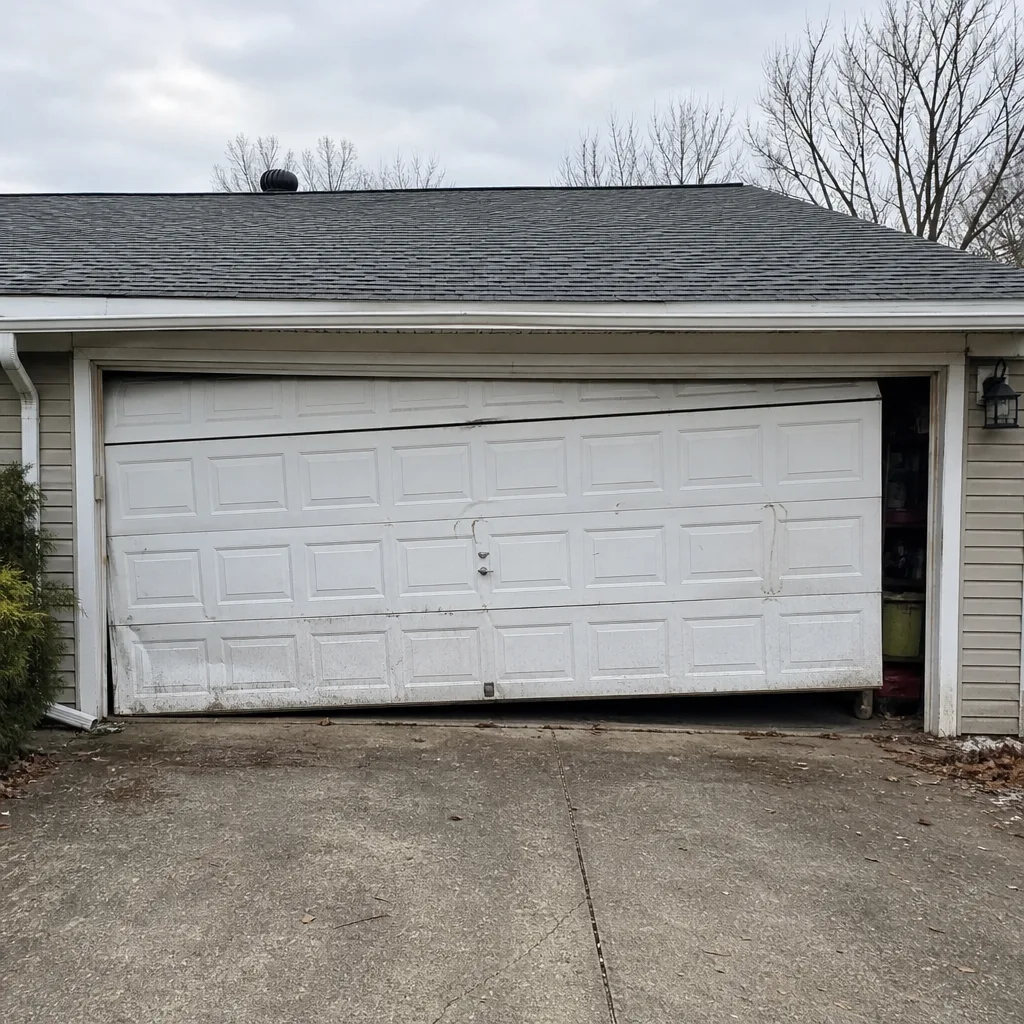 Before
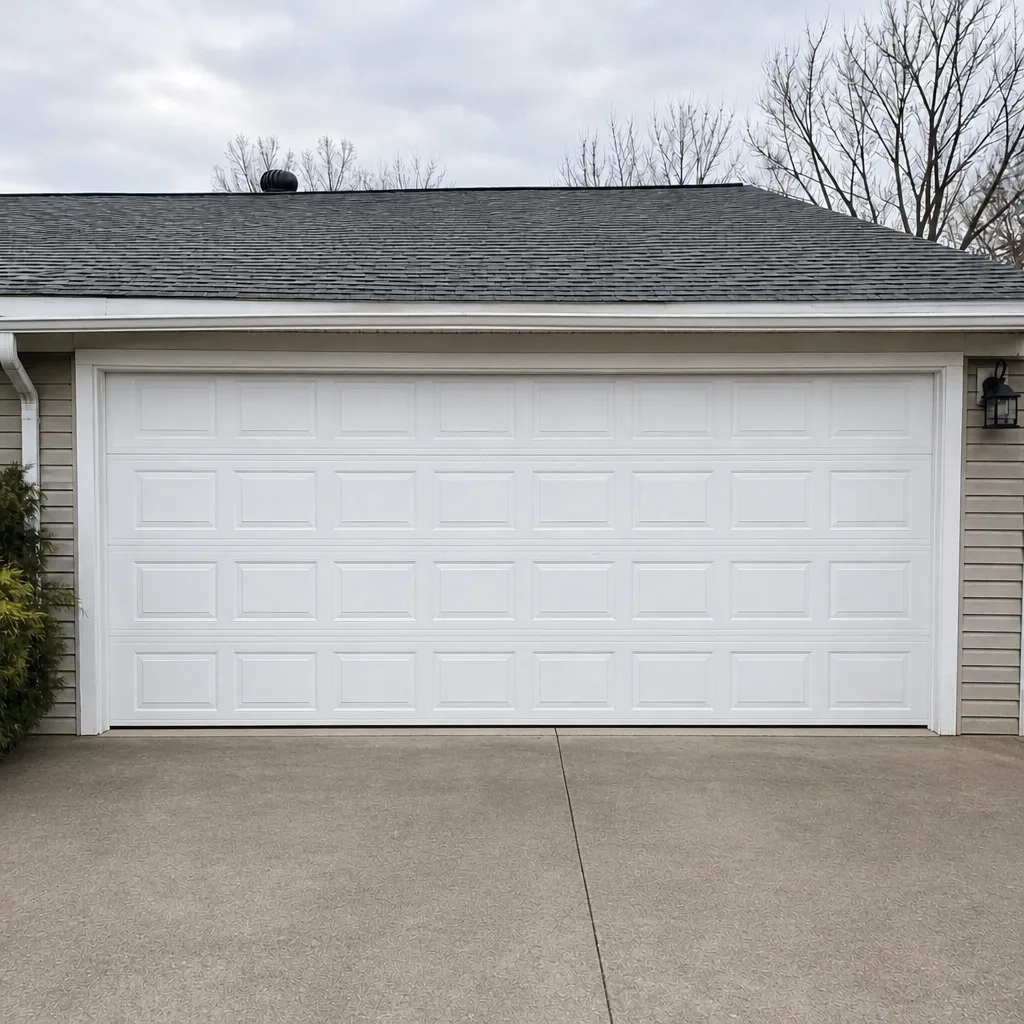 After
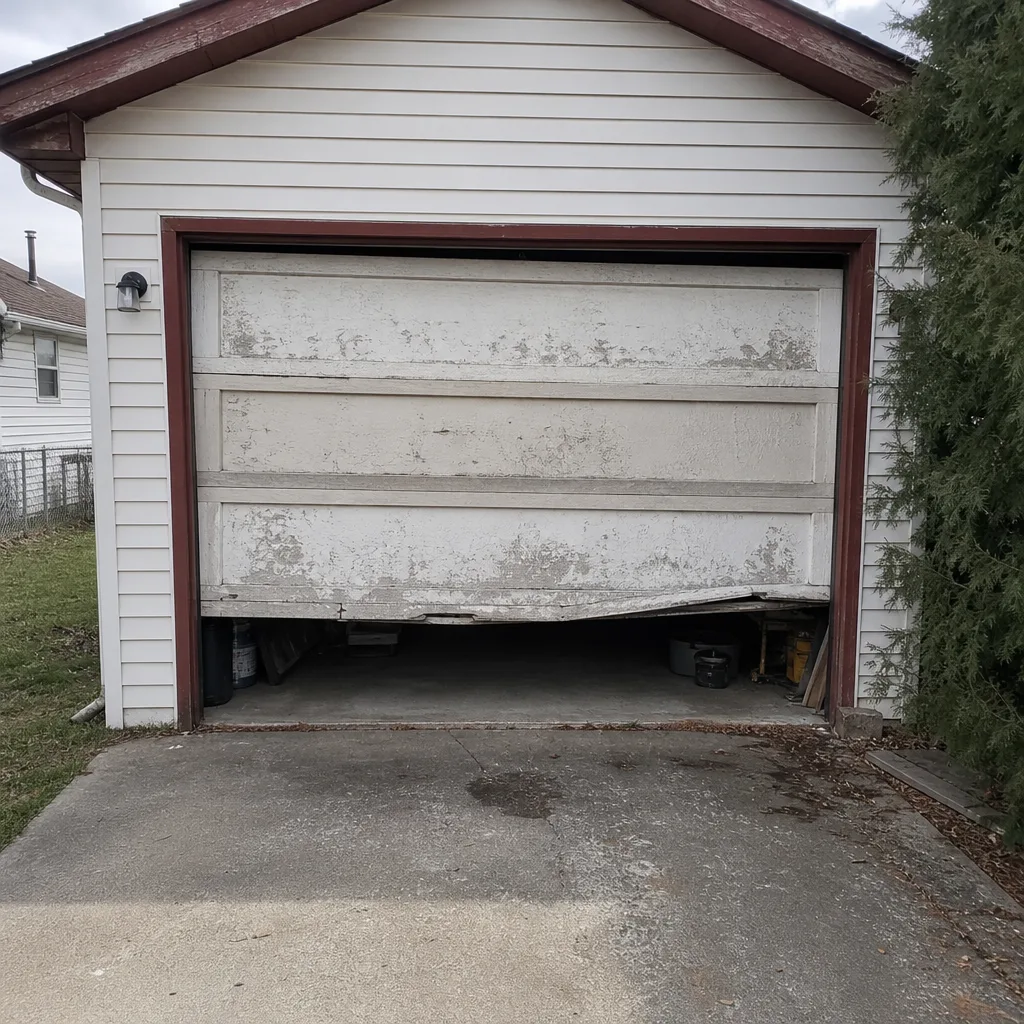 Before
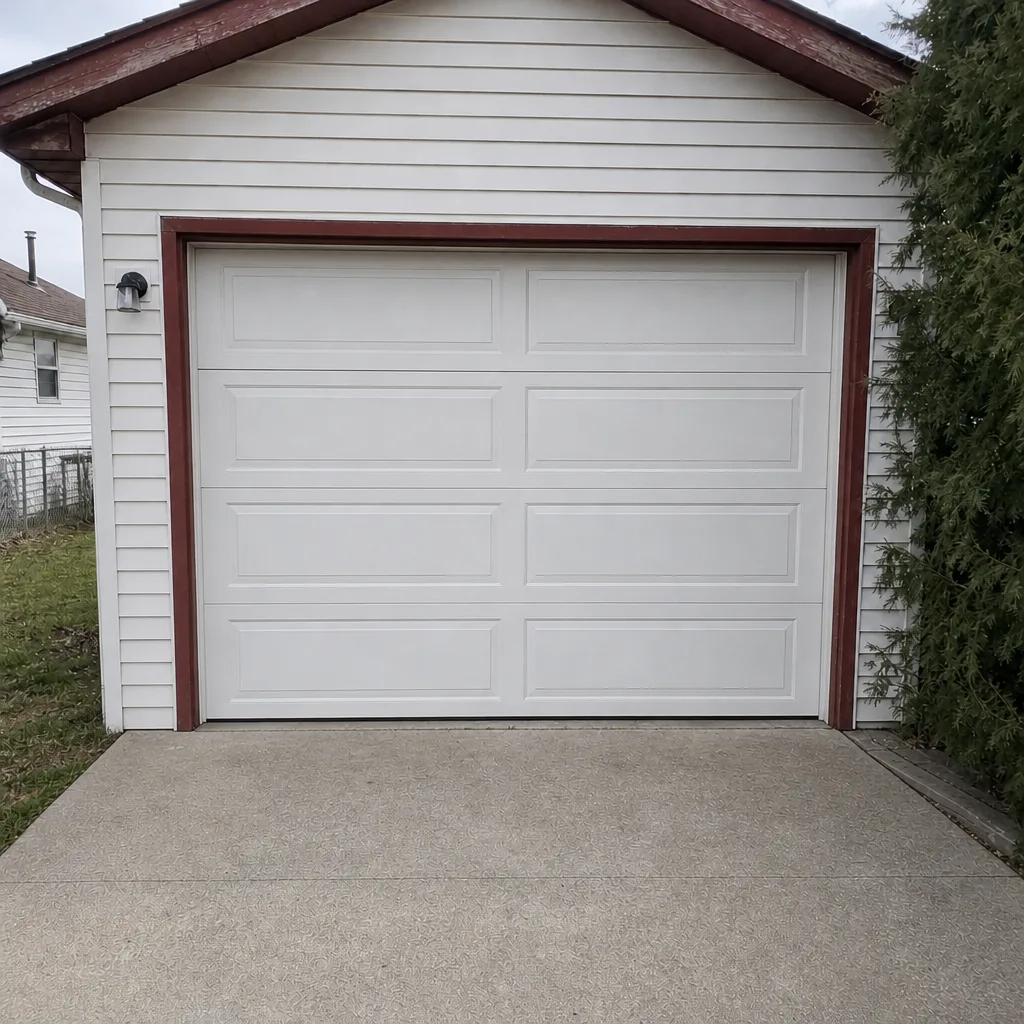 After
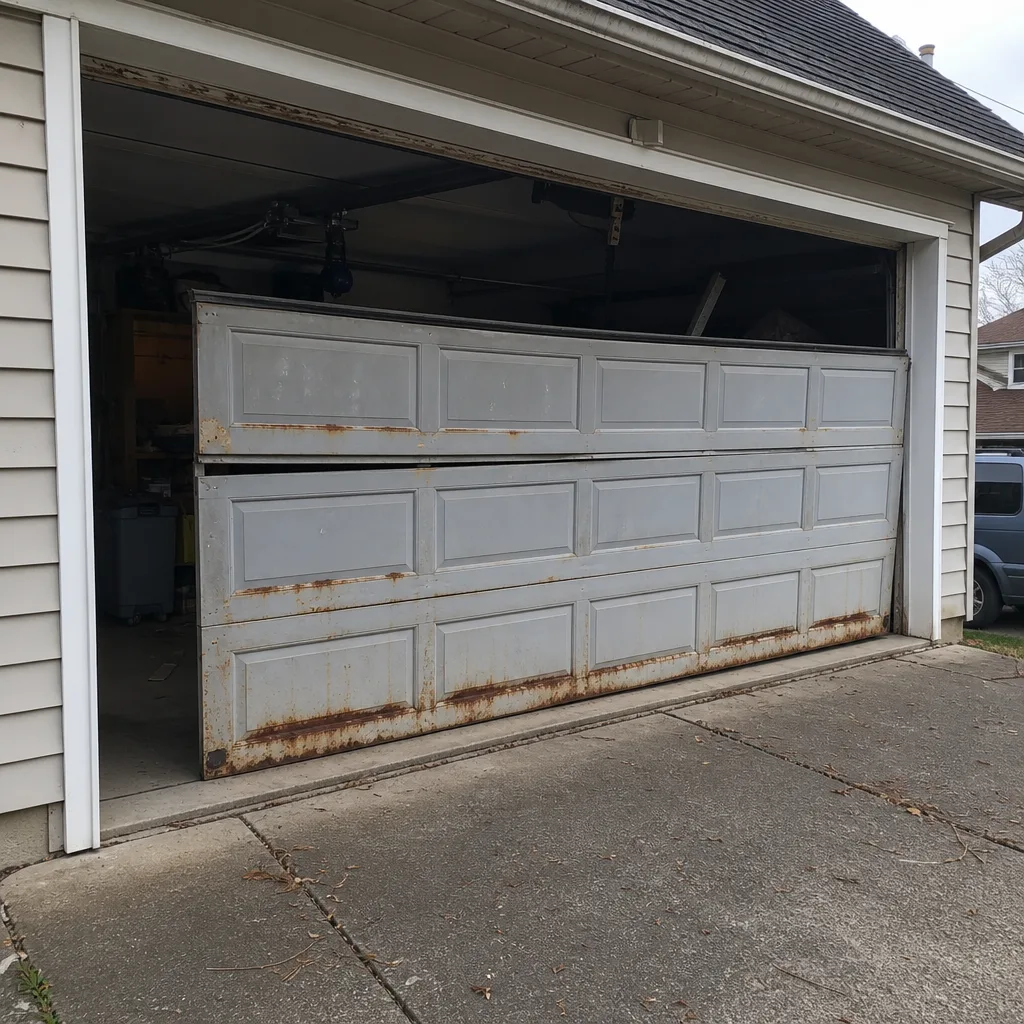 Before
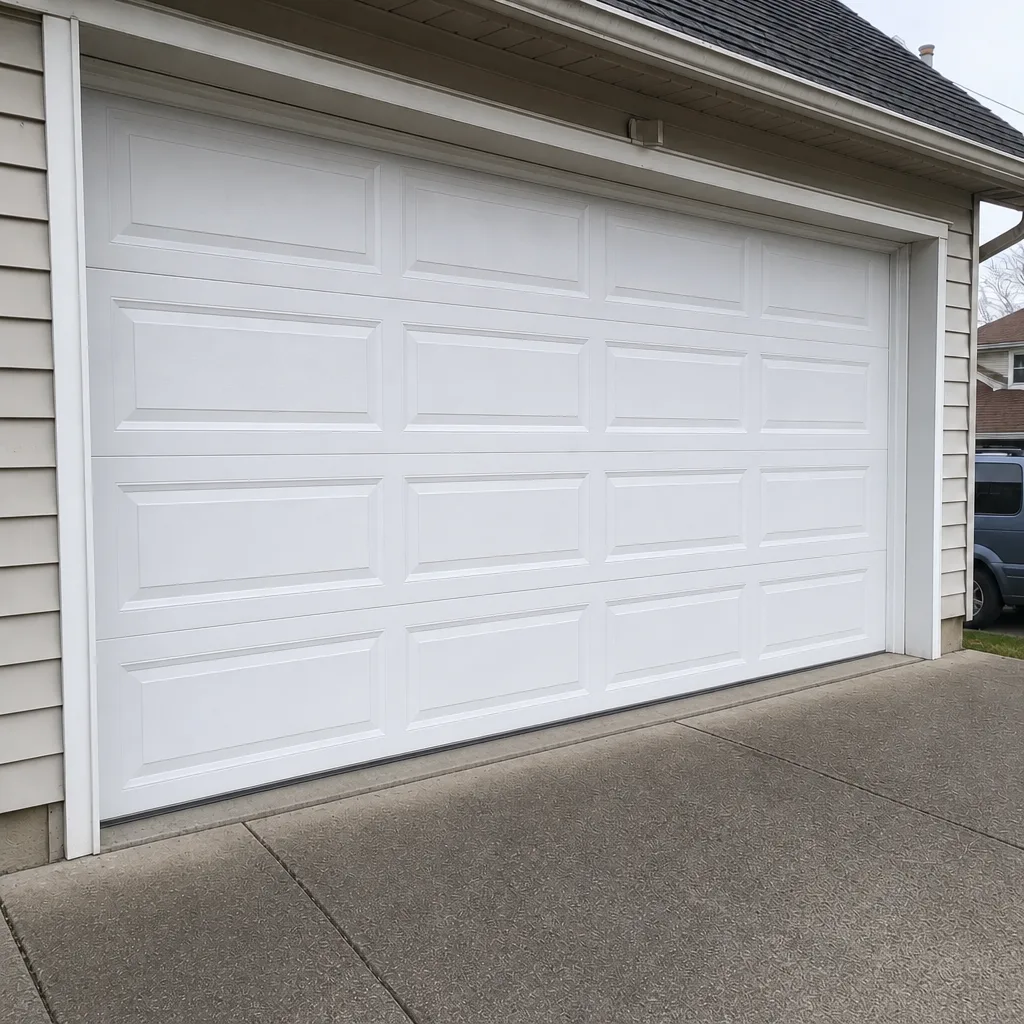 After
When to Call a Professional
Call a professional for anything involving the springs or cables, for a door that drops or flies up during the balance test, for an opener that won’t reverse during the force test, for a door that lifts crooked or comes off its track, and for any job where the door is jammed and won’t move at all. Those aren’t DIY jobs, and they’re not jobs for a general handyman either. Garage Door Repair Hagerstown offers free estimates in Hagerstown and works across LiftMaster, Chamberlain, Genie, Clopay, Amarr, Wayne Dalton, Craftsman and Raynor. Our technicians have up to 15 years of experience. For urgent situations, our emergency service can get a tech out when waiting until Monday isn’t an option. Call (833) 866-7412.
Frequently Asked Questions
Two to four times a year is the usual rhythm: springs, hinges and roller stems, not the tracks. Add a coat before winter and again in summer when heat dries things out. Track and roller cleaning can happen during your monthly walk-around and takes a couple of minutes.
You can test balance safely without touching the springs, by releasing the door and lifting it halfway to see if it holds. You cannot safely adjust, wind or service a torsion spring yourself. Call (833) 866-7412 for anything that involves adjusting spring tension.
Look for one or more broken wire strands sticking out of the cable, a rust streak, a kink, or a cable that’s gone slack on one side. Any of those is a same-day concern, because a compromised cable can let the door drop. Call (833) 866-7412 if you see it.
It usually means the force setting is too sensitive or the bottom seal is too stiff to compress. Both are fixable, and a failing reversal test in the other direction (not reversing at all) is the more dangerous one. Call (833) 866-7412 and we’ll sort out which it is.
Only in emphasis. Hagerstown’s hard freezes and freeze-thaw cycles put more stress on weatherstripping and cables than milder climates do, so we lean on the pre-winter check. The core routine of lubrication, balance testing, cable inspection and force testing stays the same.
There’s no fixed price we can quote without seeing the door and the specific work, so a written estimate is the honest answer. We give free estimates in Hagerstown, and the price sets once you’ve agreed to it, before any work begins. Call (833) 866-7412 to book.
The Bottom Line
Garage door maintenance isn’t a vague “lubricate moving parts” instruction. It’s knowing which product goes on which component, testing balance without touching the spring, reading a cable before it fails, checking the weatherstripping before Hagerstown’s first freeze, and running the force-sensitivity test most people skip. Get those five things right across a season and your door lasts longer and stays safer. Springs, cables, opener adjustments and anything jammed are professional territory; our technicians have up to 15 years of experience and we’ll tell you whether a repair or a replacement actually makes sense. Free estimates in Hagerstown, and emergency service when you need it.
Written by the team at Garage Door Repair Hagerstown.